“Cultural Interpretations of Ghosts: A Global Perspective”
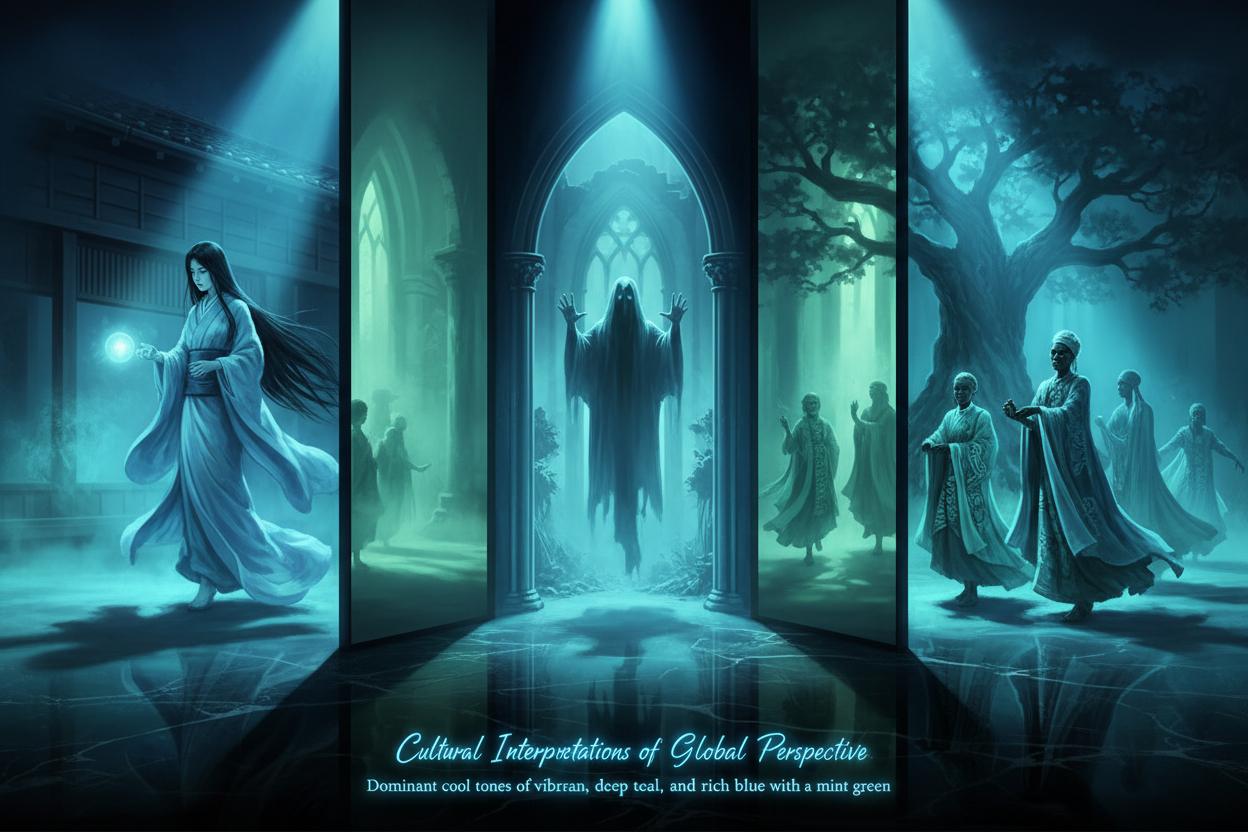
Cultural Interpretations of Ghosts: A Global Perspective Throughout history, ghosts have captivated human imagination and curiosity. Often depicted as spirits of the deceased, these ethereal.
Cultural Interpretations Of Ghosts A Global Perspective
Updated: April 8, 2026
Cultural Interpretations of Ghosts: A Global Perspective
Throughout history, ghosts have captivated human imagination and curiosity. Often depicted as spirits of the deceased, these ethereal beings have been a staple in folklore, literature, and cultural rituals across the globe. Despite the universal fascination with ghosts, interpretations and beliefs surrounding them vary significantly from one culture to another. This blog post delves into the diverse cultural interpretations of ghosts, exploring how different societies perceive and interact with these mysterious entities.
Western Views on Ghosts
In Western cultures, ghosts are often seen as the spirits of the dead who have unfinished business or unresolved issues. This perception has been heavily influenced by literature and cinema, with countless ghost stories and horror films shaping the collective consciousness. The Western narrative typically portrays ghosts as either benevolent or malevolent, depending on their intentions.
For instance, in Shakespeare’s “Hamlet,” the ghost of King Hamlet appears to his son to reveal the truth about his murder, thus driving the play’s narrative. Similarly, Charles Dickens’ “A Christmas Carol” uses ghosts to convey moral lessons, with the spirits guiding Ebenezer Scrooge towards redemption. The Western portrayal often emphasizes the ghost’s ability to communicate with the living, either to seek justice or to provide guidance.
Moreover, the celebration of Halloween in Western countries is a testament to the fascination with the supernatural, where people engage in traditions that honor and, at times, ward off ghostly visitors.
Asian Perspectives on Ghosts
Asian cultures offer a rich tapestry of beliefs and traditions when it comes to ghosts. In many Asian societies, ghosts are not merely sources of fear but are also revered and respected. For example, in Chinese culture, the Hungry Ghost Festival is an annual event where offerings are made to appease restless spirits. This festival reflects a belief that spirits can impact the world of the living, and thus, maintaining harmony with them is crucial.
In Japan, ghosts or “yūrei” are often depicted in white funeral attire and are believed to haunt specific locations until their grievances are addressed. The famous tale of “The Ring” draws from such traditional Japanese ghost stories, illustrating the lingering presence of a vengeful spirit. The Japanese also celebrate Obon Festival, a time when ancestral spirits are believed to return to the world of the living, and families honor them through rituals and dances.
African Ghost Beliefs
African cultures often perceive ghosts as part of a broader spiritual ecosystem that includes ancestors and other supernatural entities. In many African societies, ancestral spirits are venerated, and it is believed that they provide guidance and protection to the living. For example, among the Zulu people, it is customary to communicate with ancestors through rituals, seeking their blessings and wisdom.
Furthermore, the Igbo people of Nigeria believe in “akụkọ ifo,” stories that include spirits and otherworldly beings. These narratives often serve as moral lessons, emphasizing the importance of respecting the spiritual realm. Ghosts in African cultures are not isolated entities but are deeply intertwined with the living, reflecting a worldview that sees life and death as interconnected.
Indigenous Views on Ghosts
Indigenous cultures across the Americas have diverse interpretations of ghosts, often viewing them as part of the natural world. Many Native American tribes hold that spirits inhabit the land, and thus, places with strong spiritual significance are treated with respect. For instance, the Navajo believe in “chindi,” a ghost that represents the evil that remains after a person’s death. This belief influences their burial practices, ensuring that the spirit is not disturbed.
Similarly, the Cree people of Canada have ceremonies that honor the spirits of the deceased, reinforcing the connection between the living and the spiritual world. These ceremonies often include storytelling, music, and dance, serving as a bridge between different realms.
European Folklore and Ghosts
European folklore is replete with ghost stories that range from the chilling to the whimsical. In the British Isles, tales of haunted castles and ghostly apparitions are common, with many such stories rooted in historical events. The ghost of Anne Boleyn, for example, is said to haunt the Tower of London, a narrative that intertwines with England’s tumultuous history.
In Scandinavian folklore, the concept of “draugr” or undead beings reflects the Norse belief in restless spirits that return to the world of the living. These stories often serve as cautionary tales, warning against greed and hubris. The Viking tradition of storytelling has kept these ghostly tales alive, offering insights into ancient beliefs and values.
Takeaways
The cultural interpretations of ghosts are as varied as the cultures themselves, each offering unique insights into the human experience of life, death, and the beyond. While some view ghosts as malevolent beings to be feared, others see them as ancestral spirits deserving respect and reverence. These diverse perspectives not only enrich our understanding of ghosts but also highlight the universal human quest to make sense of the unknown.
Exploring these cultural interpretations allows us to appreciate the richness of human imagination and the myriad ways in which societies navigate the mysteries of existence. Whether through literature, rituals, or folklore, ghosts continue to be powerful symbols that transcend cultural boundaries, inviting us to ponder the enigma of life after death.
The Psychological and Sociological Dimensions of Ghost Beliefs
Understanding cultural interpretations of ghosts also requires examining the psychological and sociological factors that shape these beliefs. Ghost stories often emerge from a need to explain the inexplicable, providing comfort in the face of uncertainty. They serve as a means for societies to process grief, explore morality, and navigate the complexities of human emotion.
Psychologically, belief in ghosts can offer solace to those mourning a loss, allowing for continued bonds with the deceased. This is evident in cultures where ancestor worship and communication with spirits are prevalent. The idea that loved ones remain present in spirit form can help individuals cope with death and maintain a sense of connection.
From a sociological perspective, ghost stories often reflect societal norms and values. They can function as cautionary tales that reinforce cultural taboos or provide explanations for phenomena that science has yet to fully understand. In societies with strict moral codes, ghost narratives might warn against transgressions, illustrating the consequences of unethical behavior.
Modern Interpretations and the Influence of Media
In contemporary society, the portrayal of ghosts has been significantly influenced by media and technology. Television shows, movies, and literature continue to evolve the ghost narrative, introducing new interpretations and expanding on traditional beliefs. The rise of paranormal investigation and reality TV shows has also contributed to a growing interest in ghost hunting and the scientific exploration of the supernatural.
Films like “The Sixth Sense” and “Paranormal Activity” have popularized the idea of ghosts as misunderstood entities, while shows such as “Ghost Hunters” and “Supernatural” have sparked curiosity about the existence of spirits and the possibility of communication with them. These portrayals often blend cultural lore with modern storytelling, creating a hybrid narrative that appeals to a global audience.
The internet has further transformed the landscape of ghost beliefs, with forums and social media allowing individuals to share personal experiences and folklore. This digital exchange has led to a cross-pollination of ghost stories, where traditional beliefs are reinterpreted through the lens of contemporary culture.
Conclusion: A Universal Fascination
Despite the diversity in cultural interpretations, the fascination with ghosts remains a universal phenomenon. Whether seen as malevolent spirits, benevolent ancestors, or mysterious apparitions, ghosts continue to capture the human imagination. They reflect our deepest fears, hopes, and the enduring quest to understand what lies beyond the veil of death.
As we navigate a rapidly changing world, ghost stories remind us of the enduring power of tradition and the ways in which cultures adapt to new realities. By exploring these spectral narratives, we gain insight into the complexities of human belief and the rich tapestry of cultural expression that defines our shared humanity.
The exploration of ghostly phenomena invites us to embrace the unknown with curiosity and respect, recognizing that the mysteries of the supernatural are as much about the living as they are about the dead. In doing so, we honor the diverse ways in which societies seek meaning and connection, both in this world and beyond.
The Role of Ghosts in Cultural Identity and Heritage
Ghosts often play a significant role in shaping cultural identity and heritage, acting as symbols of historical events, collective memories, and shared values. They serve as a bridge between the past and the present, allowing communities to reconnect with their history and ancestry. This connection can be seen in the preservation of ghost stories and legends, which are passed down through generations as part of a community’s cultural heritage.
In many cultures, ghost stories are intertwined with historical narratives, helping to preserve and transmit important cultural knowledge. For example, the ghost of La Llorona, a weeping woman said to haunt waterways, is a prominent figure in Mexican folklore. This tale not only serves as a cautionary story but also reflects the cultural and historical context of the region, including themes of love, loss, and colonial impact.
In Ireland, the Banshee is a well-known ghostly figure that is believed to foretell death. This mythological creature is deeply rooted in Irish folklore and exemplifies the rich oral tradition that has helped shape Ireland’s cultural identity. Such stories contribute to a sense of belonging and continuity, as they connect individuals to their cultural roots and shared history.
Ghosts and Their Influence on Art and Literature
Ghosts have long been a source of inspiration for artists and writers, influencing myriad works of art and literature. From classic novels to contemporary films, the spectral presence of ghosts allows creators to explore themes of love, revenge, and the human condition. These artistic expressions not only entertain but also provide a medium through which cultural and existential questions can be examined.
The use of ghosts in literature can be traced back to ancient texts, such as Homer’s “Odyssey,” where spirits of the dead offer guidance to the living. In modern literature, authors like Edgar Allan Poe and Henry James have used ghosts to delve into psychological and moral complexities, crafting stories that challenge the boundaries between reality and the supernatural.
In visual arts, ghosts have been depicted in various forms, from haunting portraits to abstract interpretations. Artists often use the ethereal nature of ghosts to evoke emotion and provoke thought, encouraging viewers to reflect on themes of mortality, memory, and the afterlife. This artistic engagement with ghosts highlights the enduring impact of these entities on human creativity and expression.
Global Ghost Festivals and Rituals
Many cultures around the world celebrate festivals and rituals dedicated to honoring ghosts and spirits. These events often serve as a means of fostering community, preserving cultural traditions, and paying homage to ancestors. They provide an opportunity for societies to engage with the supernatural in a structured and meaningful way.
In Mexico, the Day of the Dead (Día de los Muertos) is a vibrant celebration that honors deceased loved ones. Families create altars, known as “ofrendas,” adorned with photos, flowers, and offerings, to welcome the spirits back to the world of the living. This festival underscores the belief in the cyclical nature of life and death and the importance of remembering one’s heritage.
Similarly, in Thailand, the Phi Ta Khon festival, also known as the Ghost Festival, combines Buddhist beliefs with local folklore. Participants wear elaborate masks and costumes, parading through the streets to honor the spirits and ensure good fortune. This festival highlights the integration of ghostly traditions into cultural and religious practices, demonstrating their significance in shaping communal identity.
Conclusion: Embracing the Mysteries of Ghosts
The exploration of cultural interpretations of ghosts reveals a tapestry of beliefs that enrich our understanding of the human experience. These interpretations are not just about fear of the unknown but also about connection, tradition, and identity. As societies continue to evolve, the stories and rituals surrounding ghosts provide a link to the past and a lens through which we can navigate the future.
Through art, literature, festivals, and rituals, ghosts continue to captivate our imagination and curiosity. They challenge us to question the boundaries of reality and invite us to explore the mysteries of life, death, and the beyond. By embracing the diverse cultural perspectives on ghosts, we gain insight into the universal human quest for meaning and the enduring power of storytelling.
Ultimately, the global fascination with ghosts reflects our shared humanity and the myriad ways we seek to understand the world around us, both seen and unseen. As we continue to explore these spectral narratives, we celebrate the rich diversity of human culture and the timeless allure of the supernatural.