“The Connection Between Ghosts and Haunted Locations: An In-depth Study”
The Connection Between Ghosts and Haunted Locations: An In-depth Study In the realm of the supernatural, few phenomena capture the human imagination as vividly as ghosts and haunted location.
World Paranormal Philippines: Deep Analysis and Context
Updated: April 8, 2026
The Connection Between Ghosts and Haunted Locations: An In-depth Study
In the realm of the supernatural, few phenomena capture the human imagination as vividly as ghosts and haunted locations. These ethereal entities and the places they are said to inhabit have fascinated cultures around the world for centuries. While skeptics dismiss them as mere stories, believers seek to understand the intricate connection between these spectral apparitions and the locations they haunt. This in-depth study explores the mysterious relationship between ghosts and haunted locations, delving into historical accounts, psychological insights, and scientific investigations.
Understanding Ghosts: A Historical Perspective
The concept of ghosts, or spirits of the deceased, has been an integral part of human culture since ancient times. From the pharaohs of Egypt to the shamans of indigenous tribes, ghostly apparitions have been documented in various forms. The Encyclopedia Britannica provides a comprehensive overview of the folklore surrounding ghosts, highlighting their role in different societies.
In medieval Europe, ghosts were often associated with the idea of unfinished business or unresolved conflicts. The belief was that these spirits lingered in the physical world because they had not found peace in the afterlife. This notion of unrest is a common theme in ghost stories and is often linked to haunted locations, suggesting that the emotional state of a spirit may tie it to a specific place.
The Science of Hauntings: Psychological and Environmental Factors
While ghost stories are deeply rooted in folklore, modern science seeks to provide rational explanations for these phenomena. Psychologists suggest that the power of suggestion and environmental factors play significant roles in perceived hauntings. Studies have shown that certain environmental conditions, such as low-frequency sound waves or changes in electromagnetic fields, can create sensations that people interpret as ghostly encounters.
Furthermore, the human brain is wired to recognize patterns, even where none exist. This predisposition can lead individuals to interpret ambiguous stimuli as paranormal activity. A Psychology Today article discusses how sleep paralysis and other psychological phenomena can contribute to the perception of ghosts.
Haunted Locations: Sites of Historical and Emotional Significance
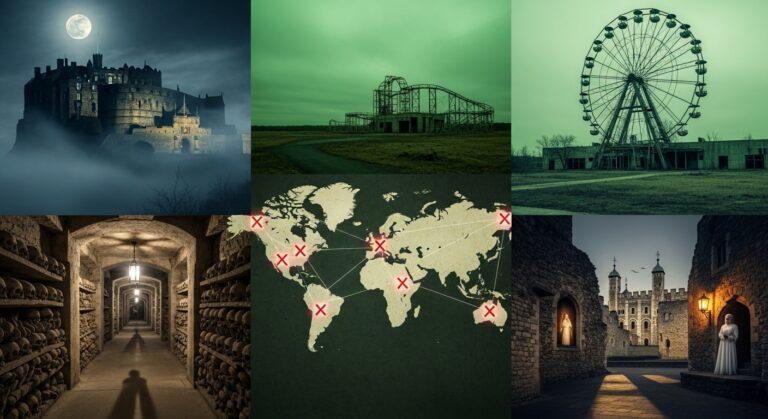
Haunted locations are often places of historical or emotional significance. Buildings with a dark past, such as former prisons, hospitals, or battlefields, are commonly reported as haunted. These sites are imbued with a palpable sense of history and emotion, which may contribute to their haunted reputations.
One of the most famous haunted locations is the Tower of London, a site with a long history of executions and imprisonment. Its reputation as a haunted location is bolstered by reported sightings of ghostly figures, such as Anne Boleyn, the executed queen of England. The Historic Royal Palaces website provides detailed accounts of these hauntings, blending historical fact with supernatural lore.
The Paranormal Investigator’s Approach
Paranormal investigators approach the study of ghosts and hauntings with a blend of skepticism and open-mindedness. These investigators use a variety of tools and techniques to detect and document paranormal activity, such as EMF meters, thermal cameras, and audio recording devices. They aim to gather empirical evidence that can be analyzed scientifically.
However, the field of paranormal investigation is fraught with challenges. The lack of verifiable evidence and the subjective nature of personal experiences make it difficult to draw definitive conclusions. Despite these hurdles, many investigators remain committed to exploring the unknown, driven by the hope of uncovering the truth behind these enigmatic phenomena.
The Role of Media and Pop Culture
The media plays a significant role in shaping public perceptions of ghosts and haunted locations. Television shows, movies, and books often dramatize paranormal encounters, blurring the line between fiction and reality. This portrayal can influence how people interpret their own experiences and contribute to the enduring popularity of haunted locations as tourist attractions.
Popular culture often reinforces stereotypes about ghosts, such as the vengeful spirit or the lost soul. These narratives can shape our understanding of hauntings and influence the stories we tell about specific locations. The Scientific American examines the psychological appeal of ghost stories and their impact on society.
Conclusion: The Unresolved Mystery of Ghosts and Hauntings
The connection between ghosts and haunted locations remains a subject of fascination and debate. While scientific explanations provide insights into psychological and environmental factors, the allure of the supernatural persists. Whether one views ghosts as manifestations of the human psyche or as genuine spirits of the deceased, the stories and experiences associated with haunted locations continue to captivate our imagination.
As we explore the intersection of history, psychology, and the paranormal, the study of ghosts and haunted locations invites us to question the boundaries of reality and the mysteries of the unknown. The pursuit of understanding these phenomena reflects our enduring curiosity about life, death, and the possibility of existence beyond the physical world.
The Cultural Significance of Ghosts and Hauntings
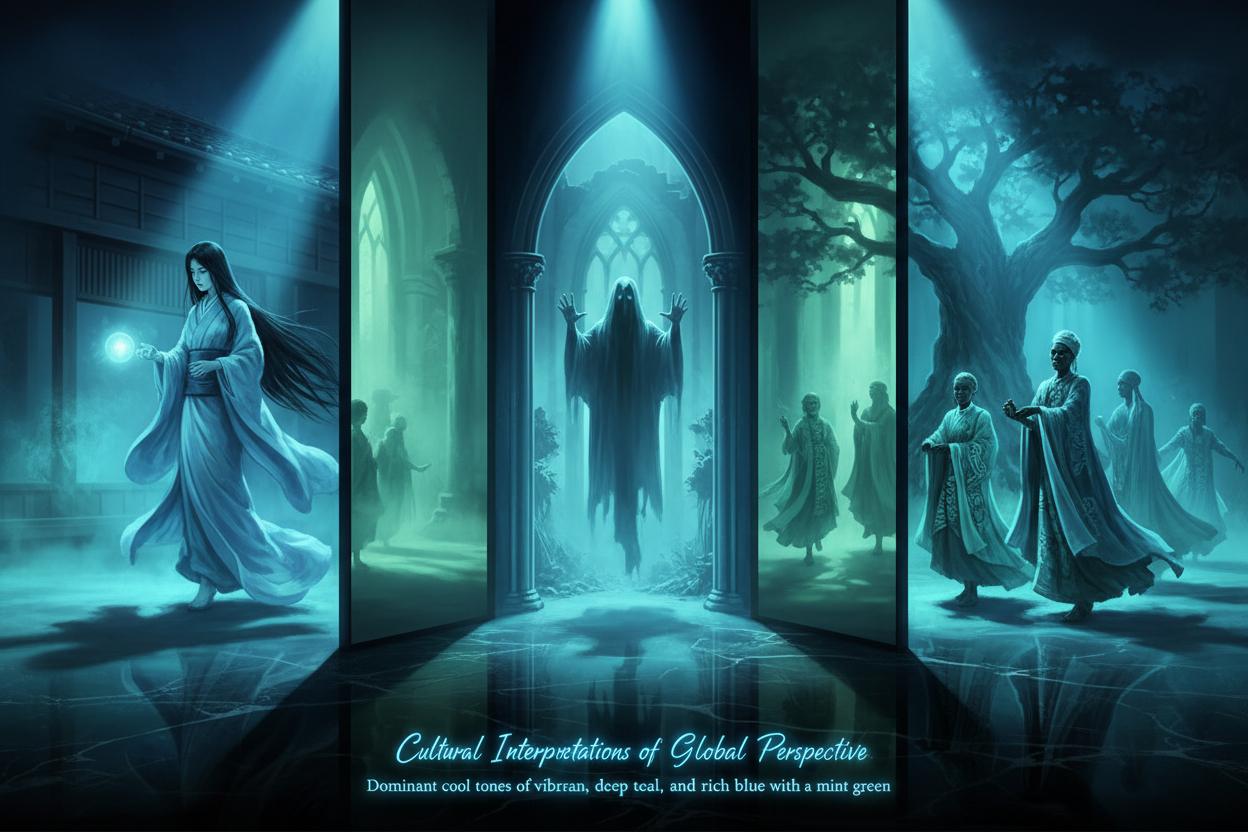
Across different cultures, ghosts and haunted locations hold significant symbolic and cultural value. These entities often serve as metaphors for unresolved issues, societal fears, or cultural taboos. For instance, in many Asian cultures, ghost festivals are held to honor deceased ancestors and appease restless spirits. This practice highlights the deep respect for ancestry and the belief in an afterlife, where spirits can influence the living.
In Western cultures, ghosts often represent cautionary tales or moral lessons. The classic story of Ebenezer Scrooge in Charles Dickens’ “A Christmas Carol” uses ghostly apparitions to convey themes of redemption and moral awakening. Such narratives reflect societal values and provide a framework for exploring complex emotions and ethical dilemmas.
Technological Advances and Ghost Hunting
Technological advancements have revolutionized the field of ghost hunting, introducing sophisticated tools that aid in the exploration of haunted locations. Devices such as night vision cameras, digital voice recorders, and infrared thermometers have become staples in the paranormal investigator’s toolkit, offering new ways to capture and analyze potential ghostly activity.
Additionally, the internet and social media have allowed for the rapid sharing of paranormal experiences and evidence, creating a global community of enthusiasts and researchers. Online forums and video-sharing platforms host countless discussions and analyses of purported hauntings, fostering a collaborative approach to understanding these phenomena.
The Debate Between Believers and Skeptics
The subject of ghosts and haunted locations is a contentious one, with believers and skeptics often at odds. Believers argue that personal experiences and anecdotal evidence suggest the existence of spirits and the possibility of life after death. They often cite historical accounts and eyewitness testimonies as supporting evidence.
On the other hand, skeptics demand empirical, scientific proof and attribute paranormal experiences to psychological, environmental, or technological factors. They point to the lack of reproducible evidence and the influence of cognitive biases as reasons to doubt the existence of ghosts.
Despite these differing perspectives, the debate itself drives further inquiry and investigation, highlighting the importance of critical thinking and open-mindedness in exploring the unknown.
Exploring Haunted Locations: A Tourist’s Perspective
Haunted locations have become popular tourist attractions, drawing visitors intrigued by their eerie reputations and historical significance. Tours of haunted sites offer a unique blend of history, folklore, and entertainment, allowing participants to immerse themselves in the mysteries of the past.
From the eerie corridors of the Stanley Hotel in Colorado, which inspired Stephen King’s “The Shining,” to the ancient castles of Scotland, known for their ghostly legends, these sites provide an opportunity to experience history in an interactive and engaging way. Tourism boards and travel websites often highlight these attractions, adding to their allure and mystique.
Future Directions in the Study of Ghosts and Hauntings
As interest in the paranormal continues to grow, future research may provide new insights into the connection between ghosts and haunted locations. Interdisciplinary approaches that combine history, psychology, and technology hold promise for expanding our understanding of these phenomena.
Moreover, advancements in neuroscience and psychology may offer explanations for the cognitive and perceptual processes involved in ghostly encounters. By integrating scientific methods with cultural and historical analyses, researchers can develop a more comprehensive understanding of why ghost sightings occur and what they signify.
Ultimately, the study of ghosts and haunted locations invites us to explore the boundaries of belief and reality, challenging us to question our assumptions and consider the myriad possibilities of the human experience.
The Role of Education and Awareness in Demystifying Ghosts
Educating the public about the psychological and environmental factors contributing to perceived hauntings is crucial in demystifying ghosts. By promoting scientific literacy and critical thinking, individuals can better understand the underlying causes of ghostly experiences. Educational institutions and media outlets play a key role in disseminating accurate information and debunking myths, fostering a more nuanced understanding of paranormal phenomena.
Workshops, seminars, and public lectures conducted by experts in psychology, history, and paranormal research can provide valuable insights into the complexities of ghost sightings and haunted locations. Such initiatives encourage open dialogue and allow individuals to share their experiences in a supportive environment, bridging the gap between skepticism and belief.
The Ethical Considerations of Ghost Hunting
As the popularity of ghost hunting and paranormal tourism grows, ethical considerations become increasingly important. Respect for the historical and cultural significance of haunted locations is paramount, ensuring that these sites are preserved for future generations. Investigators and tourists alike must balance their curiosity with a responsibility to protect and honor the integrity of these places.
Additionally, the portrayal of ghosts and hauntings in media and entertainment should be approached with sensitivity. Sensationalized stories can perpetuate stereotypes and misconceptions, detracting from the genuine historical and cultural contexts that make these sites significant. Responsible storytelling and reporting can enhance public understanding and appreciation of the complex interplay between history, culture, and the supernatural.
The Personal Impact of Ghost Experiences
For those who have encountered what they believe to be ghosts, the experience can be profoundly impactful. These encounters often prompt individuals to reflect on their beliefs and consider existential questions about life, death, and the afterlife. The personal narratives surrounding ghost sightings are as diverse as the people who experience them, each shaped by individual perspectives and cultural backgrounds.
Support groups and online communities provide platforms for individuals to share their experiences and seek validation from others who have encountered similar phenomena. These networks foster a sense of community and understanding, offering comfort and reassurance to those grappling with the implications of their experiences.
Conclusion: Embracing the Mystery
The connection between ghosts and haunted locations continues to intrigue and captivate people worldwide. Whether viewed through the lens of scientific inquiry or cultural storytelling, these phenomena offer a fascinating glimpse into the human psyche and our enduring quest to understand the unknown. While definitive answers may remain elusive, the pursuit of knowledge and the exploration of these mysteries enrich our understanding of the world and our place within it.
As we continue to explore the boundaries between reality and imagination, the study of ghosts and haunted locations invites us to embrace the mystery and wonder of the unseen. By fostering a spirit of curiosity and open-mindedness, we can appreciate the rich tapestry of stories and experiences that define our shared human journey.