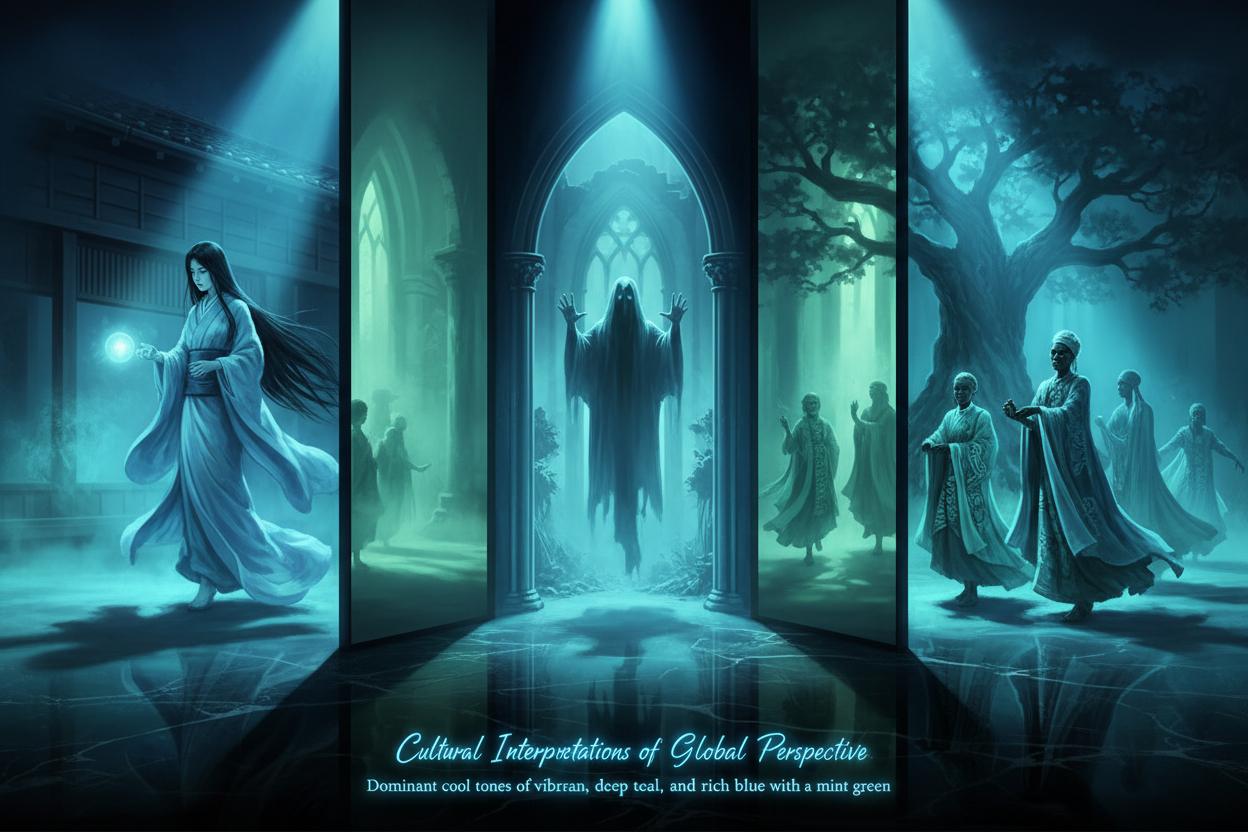
“Cultural Interpretations of Ghosts: A Global Perspective”
Cultural Interpretations of Ghosts: A Global Perspective Ghosts have captured the human imagination for centuries, manifesting in folklore, literature, and religion across diverse cultures.
“Cultural Interpretations of Ghosts: A Global Perspective”
Updated: April 8, 2026
Cultural Interpretations of Ghosts: A Global Perspective
Ghosts have captured the human imagination for centuries, manifesting in folklore, literature, and religion across diverse cultures. This ubiquitous presence suggests a universal fascination with the afterlife and the unknown. From the malevolent spirits of Western lore to the protective ancestral spirits in various indigenous cultures, ghosts reveal much about the values, fears, and hopes of societies worldwide. This article explores the global interpretations of ghosts, examining how different cultures perceive these enigmatic entities.
The Western Perspective: Haunting Spirits
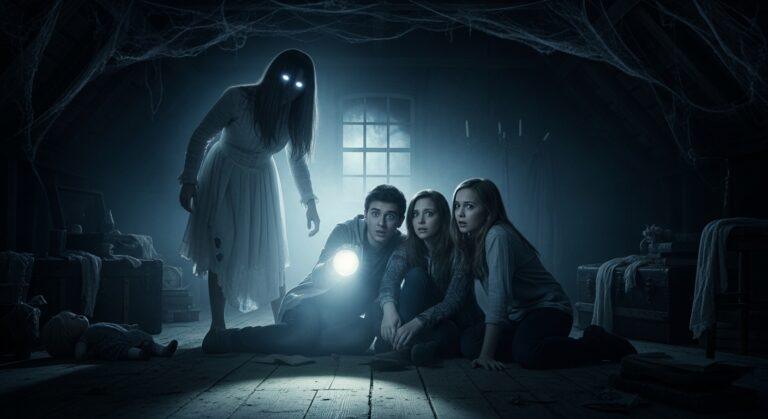
In Western cultures, ghosts are often depicted as haunting spirits of the deceased, unable or unwilling to move on to the afterlife. This portrayal is prevalent in literature, film, and popular media, where ghosts are frequently associated with fear and malevolence. One famous example is the ghost of Jacob Marley in Charles Dickens’ “A Christmas Carol”, who returns from the grave to warn Ebenezer Scrooge of his impending doom.
This Western view of ghosts as entities to be feared can be traced back to religious beliefs, such as those found in Christianity. The concept of purgatory, a place where souls are cleansed before reaching heaven, suggests that some spirits may linger on Earth until their sins are absolved. Furthermore, the Gothic literature of the 18th and 19th centuries, with its eerie castles and restless spirits, has cemented the image of the ghost as a haunting presence in Western imagination.
Eastern Beliefs: Benevolent Spirits and Ancestors
In contrast, many Eastern cultures view ghosts as more than mere specters of fear. In places like China and Japan, ghosts often play a crucial role in familial and societal harmony. The Chinese tradition of the Ghost Festival, for instance, reflects a belief in the importance of honoring and appeasing ancestral spirits to maintain familial prosperity and peace.
In Japan, ghosts, or yūrei, are seen as spirits of the deceased who may return to the world of the living for unfinished business. The Japanese tradition of Obon involves rituals to honor the spirits of ancestors. Rather than being feared, these spirits are respected and cherished as protectors of the family line.
Indigenous Perspectives: The Spiritual Connection
Indigenous cultures worldwide often view ghosts as integral parts of their spiritual and cultural identity. In many African and Native American cultures, spirits of ancestors are revered and play an essential role in community life. These spirits are believed to guide and protect the living, offering wisdom and insight from the spiritual realm.
For instance, among the Zulu people of South Africa, the ancestors or amadlozi are considered intermediaries between the living and the divine. Rituals and offerings are made to honor these spirits, reinforcing a deep-rooted connection between the community and their heritage.
Latin American Views: The Day of the Dead
In Latin America, particularly in Mexico, the Day of the Dead (Día de los Muertos) is a vibrant example of how ghosts are perceived not as fearsome entities but as cherished members of the family. This celebration, which blends indigenous traditions with Catholic influences, honors the deceased with colorful altars, offerings, and festivities, inviting the spirits to join the living in celebration.
This annual event underscores a belief in the cyclical nature of life and death, where the deceased are considered an active part of the community, deserving of remembrance and respect. The Day of the Dead exemplifies how cultural interpretations of ghosts can transform fear into reverence and joy.
Ghosts in Popular Culture: A Global Influence
Across the world, the interpretation of ghosts has significantly influenced popular culture. Hollywood films often depict ghosts as menacing presences, drawing on Western themes of haunting and horror. However, global cinema offers a broader view. Japanese horror films, for example, explore the idea of ghosts as entities seeking justice or resolution, reflecting cultural beliefs in the need for balance and harmony.
The global fascination with ghosts extends into literature, art, and even tourism, with ghost tours and haunted locations attracting curious visitors worldwide. These cultural exchanges demonstrate how interpretations of ghosts can transcend cultural boundaries, creating a shared human experience of wonder and intrigue.
Conclusion: The Universality of Ghosts
The diverse interpretations of ghosts across cultures highlight their significance as symbols of the human condition. Whether viewed as malevolent spirits or benevolent ancestors, ghosts offer a window into cultural values, beliefs, and fears. They challenge our understanding of life and death, inviting us to explore the mysteries of existence.
As we continue to share stories and experiences of these ethereal beings, ghosts will remain a powerful and enduring element of cultural expression. By examining the cultural interpretations of ghosts, we gain insight into the shared and unique aspects of the human experience, reminding us of the universal questions that bind us all.
The Scientific Perspective: Exploring the Unknown
While cultural narratives provide rich and varied interpretations of ghosts, the scientific community has approached the topic with skepticism and inquiry. Parapsychology, a field dedicated to studying paranormal phenomena, often investigates claims of hauntings and ghost sightings. Researchers employ methods such as electromagnetic field detection and thermal imaging to seek explanations for these experiences. Although no scientific consensus exists regarding the reality of ghosts, these studies contribute to our understanding of human perception and belief.
Some scientists argue that ghost sightings may be attributed to psychological factors, such as pareidolia, the tendency to perceive familiar patterns, like faces, in random stimuli. Others suggest that environmental factors, such as changes in air pressure or exposure to low-frequency sound waves, might trigger feelings of unease or hallucinations that people interpret as ghostly encounters.
The Role of Technology: Modern Ghost Hunting
The advent of modern technology has given rise to new methods of ghost hunting, blending traditional beliefs with scientific techniques. Popular television shows and online communities dedicated to exploring haunted locations use advanced tools like digital voice recorders, night-vision cameras, and thermal imaging devices to capture evidence of paranormal activity.
These technologies offer enthusiasts a way to engage with the mystery of ghosts while fostering a sense of community among believers and skeptics alike. The proliferation of ghost hunting as a hobby underscores the enduring allure of the supernatural and our desire to connect with the unknown.
Ghosts and the Human Psyche: A Reflection of Inner Fears
Beyond cultural and scientific interpretations, ghosts can also be seen as reflections of the human psyche. They symbolize unresolved emotions, fears, and desires, manifesting as external entities that challenge our understanding of reality. In this sense, ghosts serve as metaphors for the inner struggles we face, acting as projections of guilt, grief, or longing.
Psychologists often explore the concept of ghosts in therapy, using them as tools to help individuals confront and process their emotions. By externalizing these feelings, people can gain insight into their own experiences and work toward resolution and healing.
Ghosts in the Digital Age: Virtual Hauntings
As technology continues to advance, the concept of ghosts has also evolved. The digital age has introduced the idea of virtual hauntings, where the presence of the deceased is felt through digital means. Social media profiles, emails, and online interactions of those who have passed can create a sense of lingering presence, challenging traditional notions of what it means to be a ghost.
These virtual ghosts raise questions about memory, legacy, and the boundaries between life and death in an increasingly connected world. As digital platforms become more integrated into our lives, they offer new ways for people to maintain connections with the deceased, redefining the nature of ghostly encounters.
The Future of Ghosts: Continuing the Dialogue
As cultures continue to evolve and intermingle, the interpretations of ghosts will undoubtedly change, reflecting new values, fears, and hopes. The global exchange of ideas and beliefs will likely lead to new narratives and understandings of these enigmatic entities, ensuring that ghosts remain an integral part of human culture.
By exploring ghosts from a global perspective, we gain a deeper appreciation for the diverse ways in which societies grapple with the mysteries of existence. Whether viewed through the lens of culture, science, or personal belief, ghosts challenge us to confront our deepest questions about life, death, and the unknown, inviting us to explore the rich tapestry of human experience.
Intercultural Dialogues: Ghosts as Cultural Bridges
Ghosts, in their manifold forms and interpretations, have the potential to serve as bridges between cultures. As global travel and digital communication bring diverse communities closer, stories of ghosts and hauntings become shared cultural artifacts. These narratives can foster intercultural dialogues, offering opportunities for people to explore and understand differing worldviews.
Festivals celebrating ghosts, such as the Mexican Day of the Dead or the Chinese Ghost Festival, often attract international attention, drawing visitors eager to participate in these rich cultural traditions. These events help demystify foreign customs and promote a deeper understanding of the values and beliefs that shape different societies.
Educational Opportunities: Ghosts in Academia
The academic study of ghosts and supernatural beliefs provides valuable insights into the history, psychology, and sociology of cultures worldwide. Courses and research in anthropology, religious studies, and folklore often explore the role of ghosts in human societies, examining their significance in rituals, art, and storytelling.
Such studies not only enrich our knowledge of cultural heritage but also challenge students to think critically about the ways in which humans interpret and interact with the unknown. By examining the role of ghosts across different cultures, academia helps preserve these narratives and ensures they continue to inform and inspire future generations.
Harnessing Ghosts for Social Good
Interestingly, some initiatives seek to harness the fascination with ghosts for social good. Community events like ghost tours in historic locations often serve as fundraisers for preservation efforts, using the allure of the supernatural to support the conservation of cultural heritage sites. These tours educate participants about local history and legends, fostering a sense of community pride and involvement.
Moreover, storytelling and folklore about ghosts can be powerful tools for addressing social issues. Narratives about spirits seeking justice or peace often resonate with audiences, highlighting themes of reconciliation and healing. By framing contemporary challenges within the context of ghost stories, communities can engage in meaningful conversations about justice and societal change.
Conclusion: The Ever-Evolving Legacy of Ghosts
Ghosts, with their myriad interpretations and cultural significance, remain a captivating and enduring part of the human experience. As we continue to explore and share these stories, they offer a means of connecting with our past, understanding our present, and contemplating our future. The global fascination with ghosts underscores their role as symbols of our shared humanity, bridging cultural divides and inspiring a sense of wonder and inquiry.
As societies evolve and new narratives emerge, the legacy of ghosts will undoubtedly adapt, reflecting the dynamic nature of culture itself. Whether seen as fearsome apparitions, benevolent ancestors, or reflections of the human psyche, ghosts challenge us to confront the mysteries of existence and embrace the richness of cultural diversity. In doing so, they remind us of the universal questions that unite us all, inviting us to explore and celebrate the intricate tapestry of life and the afterlife.