“Paranormal Psychology: The Role of Belief in Ghost Sightings and Experiences”
Paranormal Psychology: The Role of Belief in Ghost Sightings and Experiences In the realm of the supernatural, ghost sightings and experiences have long piqued human curiosity. Despite the a.
Paranormal Psychology The Role Of Belief In Ghost Sightings And Experiences
Updated: April 8, 2026
Paranormal Psychology: The Role of Belief in Ghost Sightings and Experiences
In the realm of the supernatural, ghost sightings and experiences have long piqued human curiosity. Despite the absence of scientific evidence supporting the existence of ghosts, countless individuals worldwide claim to have encountered spectral beings. This phenomenon raises intriguing questions: Why do people believe they have seen ghosts? What role does belief play in shaping these experiences? This blog post delves into the realm of paranormal psychology to explore how belief influences ghost sightings and experiences.
The Science of Belief and Perception
To understand the role of belief in ghost sightings, it is crucial to explore the psychology of perception. Human perception is not merely a passive reception of sensory information; it is an active process influenced by cognitive, emotional, and cultural factors. Our brains interpret sensory input, constructing a subjective reality based on previous experiences, expectations, and beliefs.
For instance, if someone strongly believes in the existence of ghosts, their brain may be more inclined to interpret ambiguous stimuli—such as a shadow or a creaking sound—as evidence of a ghostly presence. This psychological phenomenon is known as confirmation bias, where individuals favor information that confirms their existing beliefs while disregarding contradictory evidence.
Cultural and Historical Influences
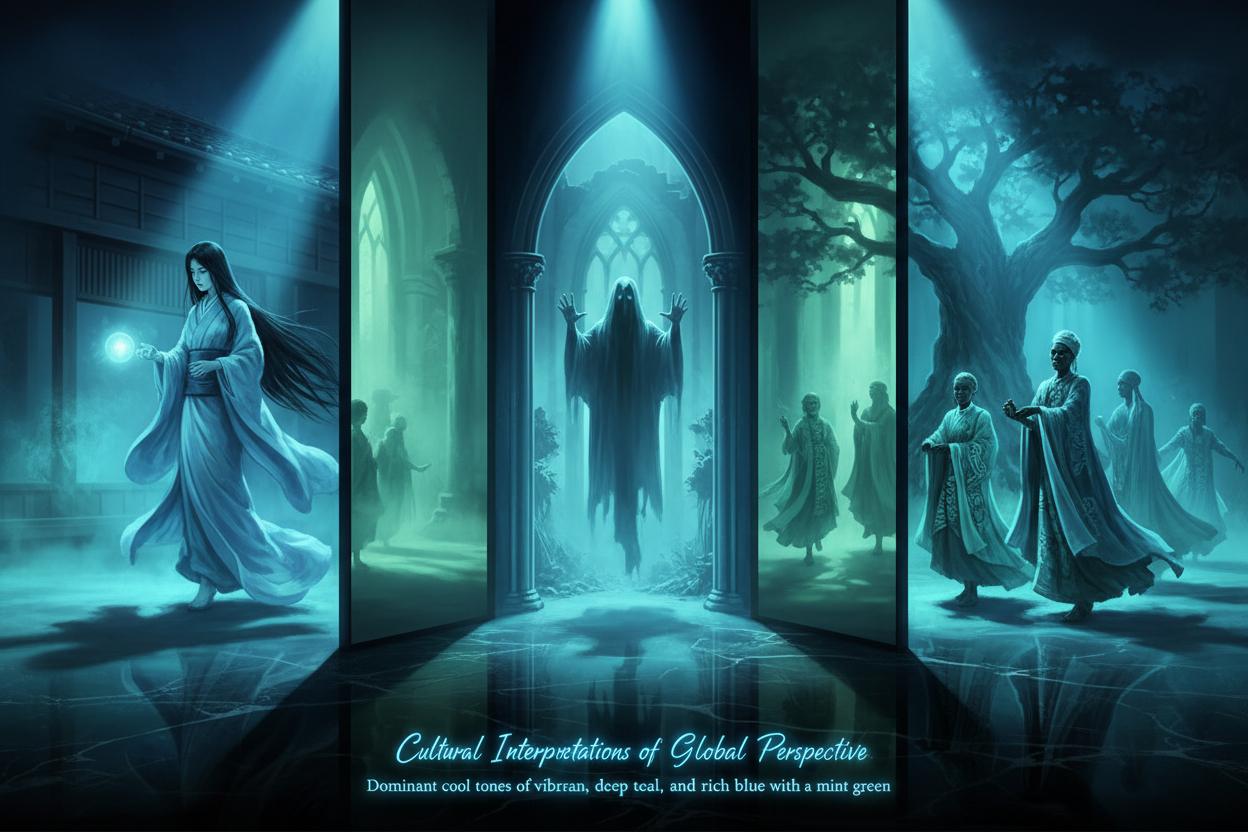
The cultural context in which a person is raised also significantly impacts their belief in ghosts. Many cultures have rich traditions and folklore surrounding spirits and the afterlife. These narratives shape societal perceptions of ghosts and influence individual beliefs. For example, in Western culture, ghost stories often depict spirits as malevolent entities haunting the living. In contrast, some Eastern cultures view spirits as benevolent ancestors providing guidance and protection. These cultural frameworks can predispose individuals to interpret experiences through the lens of their cultural beliefs.
Historically, ghost sightings have been documented across different civilizations and eras. The persistence of these accounts suggests a deep-rooted human fascination with the unknown and the afterlife. The prevalence of ghost stories in literature and media further perpetuates belief systems, reinforcing the idea that ghosts are a plausible explanation for certain experiences.
Psychological Phenomena and Ghost Sightings
Several psychological phenomena contribute to the perception of ghostly encounters. One such phenomenon is hallucinations, which can occur when an individual’s mind creates sensory experiences that are not based on external stimuli. Hallucinations can be visual, auditory, or tactile, and they often occur under conditions of stress, sleep deprivation, or heightened emotional states.
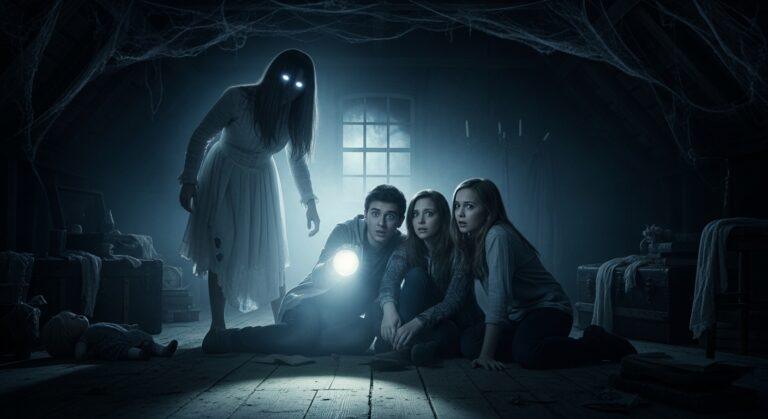
Another psychological factor is the power of suggestion. When individuals are exposed to environments or situations associated with the paranormal, such as an old, dimly lit house or a cemetery, their minds may be more susceptible to perceived ghostly phenomena. This effect is often magnified when others around them express belief in ghosts, creating a feedback loop of reinforced perception.
Case Studies and Anecdotal Evidence
Numerous case studies and anecdotal accounts provide insight into the role of belief in ghost sightings. One famous example is the Amityville Horror, where a family claimed to experience paranormal activity, including ghostly apparitions and unexplained noises. While skeptics attribute these experiences to psychological factors and environmental explanations, the family’s strong belief in the supernatural played a pivotal role in shaping their perceptions.
Another intriguing case is that of the Enfield Poltergeist, where a series of alleged hauntings took place in a London home during the late 1970s. The family involved reported seeing furniture move on its own and hearing mysterious knocking sounds. Investigations into the case revealed a complex web of belief, suggestion, and psychological factors, highlighting how the power of belief can influence perceptions of paranormal activity.
The Role of Media and Technology
The media plays a significant role in shaping public perceptions of ghosts and the paranormal. Television shows, movies, and books frequently depict ghostly encounters, often blurring the line between fiction and reality. This exposure can heighten individuals’ expectations and beliefs, making them more prone to interpret ambiguous events as supernatural occurrences.
In recent years, technology has further amplified the influence of belief in ghost sightings. Social media platforms allow individuals to share their experiences with a global audience, creating communities of like-minded believers. The viral nature of these stories perpetuates belief systems and reinforces the idea that ghostly encounters are a common and valid phenomenon.
Scientific Skepticism and Alternative Explanations
While belief plays a crucial role in ghost sightings, it is essential to consider scientific skepticism and alternative explanations. Many alleged ghostly phenomena can be attributed to natural causes, such as drafts, settling noises, or electromagnetic fields. In some cases, psychological factors like sleep paralysis or pareidolia—where the mind perceives familiar patterns in random stimuli—can account for perceived ghost sightings.
Scientific investigations into the paranormal often emphasize the importance of critical thinking and empirical evidence. By applying scientific rigor, researchers aim to distinguish between genuine anomalies and psychological or environmental explanations. This approach encourages individuals to question their beliefs and consider alternative interpretations of their experiences.
Conclusion: The Interplay of Belief and Experience
The phenomenon of ghost sightings and experiences is a complex interplay of belief, perception, and cultural influences. While scientific evidence for the existence of ghosts remains elusive, the power of belief cannot be underestimated. Belief shapes how individuals interpret their surroundings and experiences, often leading them to perceive and report encounters with the supernatural.
As long as human curiosity persists, so too will the fascination with ghosts and the paranormal. By exploring the psychological and cultural factors that contribute to belief in ghosts, we gain a deeper understanding of the human mind and its capacity to create meaning in the face of the unknown. Whether one is a skeptic or a believer, the study of paranormal psychology offers valuable insights into the nature of belief itself.
Embracing Skepticism and Open-Mindedness
While skepticism is a valuable tool in evaluating paranormal claims, maintaining an open mind is equally important. The field of paranormal psychology invites us to explore the boundaries of human perception and belief without dismissing experiences outright. By balancing skepticism with open-mindedness, we foster a respectful dialogue between believers and skeptics, enabling constructive discussions about the nature of ghost sightings.
Researchers and enthusiasts alike can benefit from adopting a multidisciplinary approach. By integrating insights from psychology, anthropology, and cultural studies, we can better understand the diverse factors that contribute to ghostly experiences. This holistic perspective allows for a more nuanced exploration of the paranormal, bridging the gap between science and personal belief.
Personal Experiences and the Human Need for Connection
At the heart of many ghost sightings lies the deeply human desire for connection and meaning. Encounters with the supernatural often occur during times of emotional vulnerability, such as after the loss of a loved one. In these moments, the belief in ghosts provides comfort and a sense of continuity beyond death. For many, ghostly experiences validate the notion that relationships transcend the physical realm, offering solace in times of grief.
Moreover, ghost sightings often serve as a shared cultural experience, uniting communities through storytelling and tradition. By recounting encounters with the supernatural, individuals participate in a collective narrative that reinforces cultural values and beliefs. This communal aspect of ghost sightings highlights the role of belief in fostering social bonds and preserving cultural heritage.
The Future of Paranormal Research
As technology advances, so too does the potential for new avenues of paranormal research. Emerging fields such as neuroscience and virtual reality offer exciting possibilities for investigating the mechanisms underlying ghostly experiences. By leveraging cutting-edge tools and methodologies, researchers can delve deeper into the cognitive processes that shape belief and perception.
For instance, virtual reality environments can simulate ghostly encounters, allowing researchers to study participants’ reactions and interpretations in controlled settings. These experiments provide valuable insights into how belief influences perception and how environmental cues contribute to the sensation of a ghostly presence.
Furthermore, advancements in neuroimaging techniques may shed light on the brain regions involved in paranormal experiences. By examining neural activity during reported encounters, scientists can gain a better understanding of the cognitive and emotional processes that underlie belief in ghosts.
Conclusion: The Ongoing Exploration of the Unseen
The study of paranormal psychology and ghost sightings is an ever-evolving field that continues to captivate the imagination. While belief plays a central role in shaping these experiences, it is essential to approach the topic with both curiosity and critical thinking. By exploring the intersection of science, culture, and personal belief, we can unravel the mysteries of the paranormal and deepen our understanding of the human psyche.
Whether one embraces the supernatural or approaches it with skepticism, the exploration of ghost sightings offers valuable insights into the complexities of human perception and belief. As we continue to navigate the enigmatic world of the paranormal, we are reminded of the power of the mind to transcend the boundaries of the known and venture into the realm of the unseen.
Ultimately, the allure of ghostly encounters lies not only in their mystery but also in their ability to illuminate the depths of human experience. By embracing the unknown and engaging with diverse perspectives, we embark on a journey that enriches our understanding of ourselves and the world around us.