Exploring the Impact of Ghosts on Pop Culture: From Literature to Movies
The spectral and the supernatural have always fascinated human beings. From the time of ancient myths to the age of digital media, ghosts have captivated our imagination. They have been central figures in countless narratives, symbolizing everything from fear and revenge to love and redemption. This blog post delves into the pervasive influence of ghosts in pop culture, examining their roles in literature, film, and beyond.
The Origins of Ghosts in Literature
The depiction of ghosts in literature dates back to ancient times. Ghosts have been a part of folklore across various cultures, often serving as cautionary tales or spiritual guides. In Western literature, one of the earliest examples can be found in Homer’s Odyssey, where the hero Odysseus visits the Underworld and speaks with spirits. These early portrayals laid the groundwork for the complex characterizations of ghosts in later works.
Shakespeare’s plays, notably Hamlet and Macbeth, feature some of the most iconic ghostly figures. The ghost of King Hamlet, for instance, sets the entire plot in motion by demanding vengeance for his murder. Similarly, the ghostly apparitions in Macbeth contribute to the protagonist’s descent into madness. These works not only highlight the dramatic potential of ghosts but also explore themes of guilt, justice, and the supernatural.
Ghosts in Gothic and Victorian Literature
The Gothic genre, which emerged in the late 18th century, further solidified the ghost’s place in literature. Works like Mary Shelley’s “Frankenstein” and the stories of Edgar Allan Poe used ghosts and supernatural elements to evoke fear and suspense. These narratives often explored the darker aspects of human nature and the unknown.
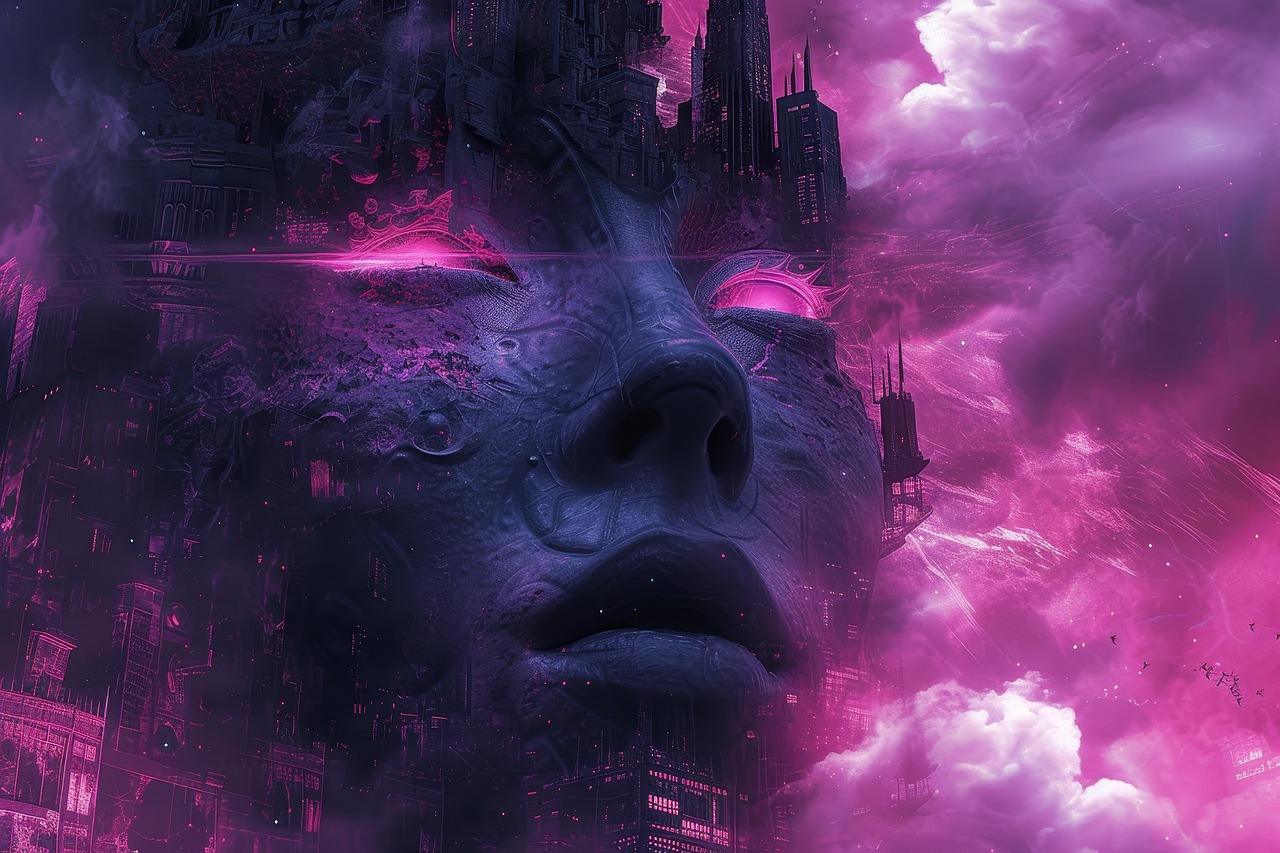
During the Victorian era, ghost stories became especially popular. The period was characterized by a fascination with the supernatural, fueled by the rise of spiritualism and the public’s interest in the afterlife. Authors like Charles Dickens and M.R. James crafted stories that blended the familiar with the eerie, creating a sense of unease and wonder. Ghosts in these stories often served as moral arbiters, urging characters to reflect on their actions and seek redemption.
The Role of Ghosts in Modern Literature
In contemporary literature, the portrayal of ghosts has evolved, reflecting changes in societal attitudes and cultural norms. Modern authors often use ghosts to explore themes of memory, trauma, and identity. For instance, Toni Morrison’s “Beloved” presents a ghost as a manifestation of the protagonist’s haunted past, delving into issues of race, history, and forgiveness.
Additionally, the genre of magical realism often incorporates ghosts as a means of blurring the line between reality and the supernatural. Authors like Gabriel García Márquez and Isabel Allende utilize ghostly elements to enhance the richness and depth of their narratives, allowing readers to explore complex emotional landscapes.
Ghosts on the Silver Screen: A Cinematic Legacy
The transition from page to screen has allowed for an even broader exploration of ghostly themes. Ghosts have been a staple of cinema since its early days, with films like The Phantom Carriage (1921) utilizing innovative special effects to bring the supernatural to life. The horror genre, in particular, has embraced ghosts as quintessential figures of fear and suspense.

Alfred Hitchcock’s mastery of suspense is evident in his use of ghostly themes, as seen in films like Rebecca (1940), where the presence of the deceased Rebecca haunts the living. The psychological impact of ghosts in film often mirrors the internal struggles of the characters, creating a layered narrative experience.
The Evolution of Ghosts in Modern Cinema
Modern cinema continues to push the boundaries of ghostly storytelling. Movies like The Sixth Sense (1999) and Paranormal Activity (2007) have redefined the genre by introducing unexpected twists and utilizing innovative filming techniques. These films not only entertain but also challenge viewers to reconsider their perceptions of reality and the afterlife.
In recent years, there has been a trend towards more nuanced and empathetic portrayals of ghosts. Films like Ghost (1990) and Coco (2017) explore themes of love, loss, and familial bonds, using ghosts as a means of connecting the living and the dead. This shift reflects a broader cultural interest in understanding and embracing the complexities of human emotions and experiences.
Ghosts in Television and Digital Media
Television and digital media have also embraced ghostly narratives, with series like The Haunting of Hill House and Supernatural captivating audiences worldwide. These shows often blend traditional ghost stories with contemporary themes, exploring issues such as mental health, grief, and family dynamics.
The rise of streaming platforms has allowed for greater creative freedom, enabling creators to experiment with different formats and storytelling techniques. This has led to a resurgence of interest in ghost stories, as audiences seek out new and engaging content that challenges their perceptions of reality.
The Cultural Significance of Ghosts
The enduring appeal of ghosts in pop culture speaks to their cultural significance. Ghosts often serve as mirrors, reflecting societal fears, desires, and values. They prompt us to examine our beliefs about life, death, and the unknown. As cultural symbols, ghosts offer a means of exploring the mysteries of the human experience and the complexities of our emotional landscapes.
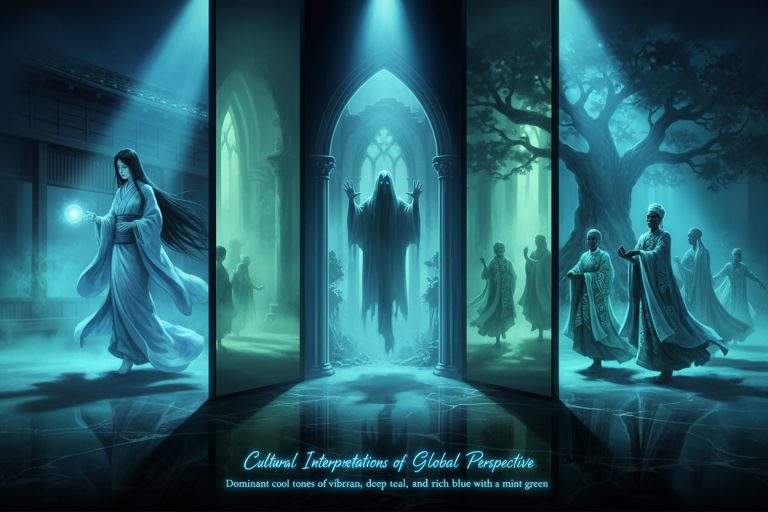
Furthermore, the global nature of ghost stories highlights their universal appeal. Despite cultural differences, the themes and emotions conveyed through ghostly narratives resonate with audiences worldwide. This shared fascination underscores our innate curiosity about the unknown and our desire to connect with something beyond the tangible world.
Conclusion: Ghosts as Timeless Figures in Pop Culture
Ghosts have left an indelible mark on pop culture, spanning literature, film, television, and beyond. Their ability to captivate and intrigue audiences speaks to their enduring power as symbols of the supernatural and the human psyche. As we continue to explore the boundaries of storytelling, ghosts will undoubtedly remain central figures, challenging us to confront our deepest fears and desires.
Whether serving as harbingers of doom or symbols of hope, ghosts remind us of the complexities of existence and the mysteries that lie beyond. As we look to the future, the spectral will undoubtedly continue to inspire and enthrall, leaving an everlasting imprint on the tapestry of pop culture.
Ghosts in Cultural and Religious Contexts

Beyond their portrayal in pop culture, ghosts hold significant places in cultural and religious contexts worldwide. In many traditions, they are seen as spirits of the deceased who have unfinished business or messages for the living. These beliefs often inform the way ghosts are represented in various media, influencing both narrative structure and thematic elements.
In Eastern cultures, such as in China and Japan, ghosts are often seen as ancestors who need to be honored and respected. The Obon Festival in Japan is a time when families honor their ancestors’ spirits, reflecting a cultural reverence for the departed. This deep-rooted tradition influences how ghosts are depicted in Japanese media, often portrayed as benevolent or misunderstood entities seeking peace.
Ghosts in Interactive Media: Video Games and Beyond
With the rise of interactive media, ghosts have found new life in video games and virtual reality experiences. Games like Phasmophobia and Luigi’s Mansion allow players to interact with ghostly elements in immersive environments. These games often blend horror with humor, challenging players to solve mysteries or combat supernatural forces.
The interactive nature of video games provides a unique opportunity for players to engage with ghostly narratives on a personal level. The choices players make can influence the outcome of the story, creating a dynamic experience that mirrors the unpredictability of ghostly encounters. This interactivity adds a new dimension to the portrayal of ghosts, enhancing their impact on pop culture.
Future Directions: Ghosts in Emerging Technologies
As technology continues to advance, new mediums for storytelling are emerging. Augmented reality (AR) and virtual reality (VR) offer innovative ways to experience ghost stories, bringing the supernatural into the physical world. These technologies create immersive environments where users can explore and interact with ghostly phenomena in unprecedented ways.
For instance, AR applications can overlay ghostly figures onto real-world settings, blurring the line between reality and fiction. This capability allows for creative storytelling opportunities, such as location-based ghost tours or interactive haunted experiences. As these technologies continue to evolve, they will undoubtedly expand the possibilities for ghostly narratives, offering new ways to captivate and engage audiences.
The Psychological Appeal of Ghost Stories
At the core of our fascination with ghosts is their psychological appeal. Ghost stories often tap into fundamental human emotions, such as fear, curiosity, and the desire for closure. They offer a safe space to explore the unknown and confront our deepest anxieties, providing cathartic experiences that resonate on a personal level.
The fear of ghosts is often linked to the fear of death and the afterlife, universal themes that transcend cultural boundaries. These narratives allow us to grapple with existential questions and explore the mysteries of life and death in a controlled environment. By confronting these fears through storytelling, we gain a deeper understanding of ourselves and the world around us.
Conclusion: The Enduring Legacy of Ghosts
Ghosts have long been a source of intrigue and inspiration, leaving an indelible mark on pop culture and society at large. Their ability to adapt to changing cultural contexts and technological advancements ensures their continued relevance and appeal. As we move forward, ghosts will remain a powerful symbol of the supernatural, the unknown, and the human experience.
As storytellers continue to explore new ways to portray ghosts, their legacy will evolve, reflecting the ever-changing landscape of culture and technology. Whether through literature, film, interactive media, or emerging technologies, ghosts will continue to haunt our imaginations, challenging us to confront the mysteries of existence and the depths of the human soul.