Ghostly Encounters: Analyzing First-hand Accounts and Their Implications
The realm of the supernatural has long fascinated humanity, with ghostly encounters often at the center of this intrigue. First-hand accounts of interactions with ghosts provide a rich tapestry of narratives that not only captivate the imagination but also provoke questions about the nature of existence and reality. This blog post delves into the world of ghostly encounters, exploring the stories, the science, and the cultural implications of these experiences.
The Nature of Ghostly Encounters
Ghostly encounters often vary in their nature and intensity. For some, these experiences are fleeting glimpses of apparitions, while others report prolonged interactions with entities that seem to possess an intelligence of their own. Such accounts often involve a range of sensory experiences, including visual sightings, auditory phenomena, and even tactile sensations.
One common theme among first-hand accounts is the emotional imprint left on the witness. Many describe feelings of fear, awe, or comfort, suggesting a deep psychological impact. Psychological studies have shown that these emotions can be powerful and linger long after the encounter has ended, affecting the individual’s perception of reality and their beliefs about life after death.
The Science Behind Ghostly Phenomena
While ghostly encounters spark curiosity and debate, the scientific community remains skeptical. Many researchers attribute these experiences to a combination of psychological and environmental factors. The phenomenon known as pareidolia, for example, explains how humans tend to perceive patterns, such as faces or figures, in random stimuli. This cognitive bias could account for some visual encounters with ghosts.
Auditory phenomena, such as hearing voices or footsteps, have been studied within the framework of infrasound. Low-frequency sound waves, often below the threshold of human hearing, can create sensations of unease and anxiety, potentially leading individuals to attribute these feelings to supernatural causes. In certain haunted locations, environmental factors like electromagnetic fields and toxic substances can also influence perceptions, leading individuals to report ghostly encounters.
Cultural and Historical Contexts
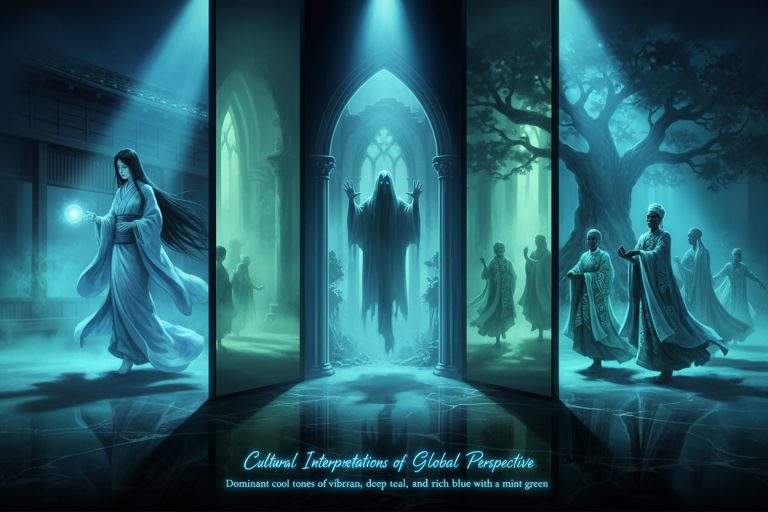
Ghostly encounters are not just personal experiences; they are deeply embedded within cultural and historical contexts. Many cultures around the world have rich traditions of ghost stories, often reflecting societal values and fears. In Western cultures, for instance, ghosts are frequently associated with unresolved issues or unfinished business, whereas in some Eastern cultures, they may be revered as ancestors offering guidance and protection.
The historical context of a location can also play a significant role in ghostly encounters. Buildings or sites with a dark or tragic past are often the settings for reported hauntings. The connection between place and ghostly phenomena can be seen in the tales surrounding historic battlefields, prisons, and abandoned structures. This relationship between history and hauntings provides fertile ground for storytelling and the perpetuation of local legends.
Documenting and Sharing Ghostly Experiences
In today’s digital age, documenting and sharing ghostly encounters has become easier and more widespread. Social media platforms and online forums have allowed individuals to share their experiences with a global audience, often accompanied by photographs, videos, and audio recordings. These shared narratives contribute to a growing body of anecdotal evidence that continues to fuel interest and debate.
However, the proliferation of digital content also raises questions about authenticity. With the advent of advanced editing software, distinguishing genuine accounts from fabrications has become increasingly challenging. Skeptics argue that many online ghostly encounters are merely hoaxes or misinterpretations, while believers maintain that technology has enabled the capture of phenomena previously unseen by the naked eye.
Implications of Ghostly Encounters
The implications of ghostly encounters extend beyond personal experiences, touching on larger philosophical and existential questions. For many, these encounters challenge the boundaries of science and spirituality, prompting a reevaluation of beliefs about life, death, and the afterlife.
From a scientific perspective, ghostly encounters encourage the exploration of consciousness and perception. Studies into altered states of mind, such as those induced by meditation or psychedelics, have opened new avenues of understanding regarding human awareness and the potential for perceiving realities beyond the ordinary.
Philosophically, ghostly encounters pose questions about the nature of existence and the continuity of consciousness after death. These experiences can lead to profound personal transformations, with individuals often reporting a renewed appreciation for life and a deeper connection to the world around them. For some, the belief in ghosts provides comfort and a sense of continuity, suggesting that death is not an end but a transition.
Conclusion: The Enduring Fascination with Ghostly Encounters
The allure of ghostly encounters lies in their ability to bridge the gap between the known and the unknown. These experiences challenge our understanding of reality, inviting us to explore the mysteries that lie beyond the physical world. Whether viewed through the lens of science, culture, or personal belief, ghostly encounters continue to captivate our imagination and provoke meaningful dialogue.

As we seek to understand these phenomena, we must remain open to multiple perspectives, recognizing that ghostly encounters may be more than mere figments of the imagination. By examining these experiences with curiosity and respect, we can gain insight into the complexities of human perception and the enduring mysteries of life and death.
For those interested in further exploration, numerous resources delve into the history and science of the paranormal, offering diverse perspectives on this enigmatic subject. Whether you’re a skeptic or a believer, the world of ghostly encounters offers a fascinating glimpse into the unknown, inviting us to ponder the profound questions that lie at the heart of human existence.
The Role of Technology in Investigating Ghostly Phenomena
Technology has played a pivotal role in the modern exploration of ghostly phenomena. Ghost hunting shows and paranormal investigations have popularized the use of specialized equipment designed to detect and document supernatural activity. Tools such as electromagnetic field meters, infrared thermometers, and night vision cameras are commonly employed by investigators to capture evidence of ghostly presences.
One of the most intriguing technological advancements in this field is the use of Electronic Voice Phenomena (EVP). EVP refers to unexplained voices or sounds captured on audio recordings, often believed to be communications from spirits. Investigators use sensitive microphones and recording devices to capture these sounds, which are then analyzed for any discernible messages. While skeptics argue that EVP can be attributed to audio artifacts or interference, believers assert that these recordings provide compelling evidence of ghostly interaction.
Case Studies: Notable Ghostly Encounters
Several well-documented ghostly encounters have captured public attention and remain subjects of fascination. The infamous haunting of the Amityville House is one such case. In 1974, the Lutz family claimed to experience terrifying supernatural events in their Long Island home, which had been the site of a gruesome murder. Their story became the basis for numerous books and films, sparking ongoing debate about the authenticity of their claims.
Another notable case is the haunting of the Tower of London, one of the most famous historical landmarks in the world. Over the centuries, numerous sightings of ghostly figures, including Anne Boleyn and other historical figures, have been reported by visitors and staff alike. These accounts add a layer of intrigue to the already rich history of the Tower, blending historical fact with supernatural lore.
In the realm of personal experiences, countless individuals have shared their stories of ghostly encounters in online communities and publications. These accounts vary widely, from comforting visitations by deceased loved ones to unsettling interactions with unknown entities. The personal nature of these stories highlights the deeply subjective aspect of ghostly encounters and their impact on those who experience them.
Ghosts in Popular Culture
Ghostly encounters have long been a staple of popular culture, inspiring countless books, movies, and television shows. From classic literature like Charles Dickens’ “A Christmas Carol” to modern films such as “The Sixth Sense,” the theme of ghosts continues to captivate audiences worldwide. These cultural representations both reflect and shape societal attitudes toward the supernatural.
Television series like “Ghost Hunters” and “The Haunting of Hill House” bring ghostly phenomena into mainstream entertainment, blending reality with fiction. These shows often dramatize investigations and encounters, appealing to audiences’ fascination with the unknown while simultaneously contributing to the mythos surrounding ghostly phenomena.
Moreover, the rise of interactive media and virtual reality experiences allows users to immerse themselves in ghostly narratives, blurring the lines between fiction and reality. These experiences offer a unique opportunity to explore the supernatural in a controlled environment, satisfying the curiosity of those intrigued by ghostly encounters.
Looking Forward: The Future of Ghostly Research
As technology and scientific understanding continue to evolve, so too does the potential for exploring ghostly phenomena. Future research may shed light on the mechanisms behind these experiences, offering new insights into the nature of consciousness and perception. Interdisciplinary approaches, combining psychology, physics, and cultural studies, may provide a more comprehensive understanding of ghostly encounters.
Additionally, advancements in neuroscience and cognitive science hold promise for unraveling the mysteries of human perception and consciousness. By examining the brain’s role in interpreting sensory information, researchers may uncover the biological underpinnings of ghostly encounters, paving the way for a deeper understanding of these enigmatic experiences.
Ultimately, the study of ghostly encounters offers a unique lens through which to explore the complexities of human experience. Whether approached from a scientific, cultural, or philosophical perspective, these phenomena challenge us to expand our understanding of reality and embrace the mysteries that lie beyond the tangible world.
In conclusion, ghostly encounters remain a captivating and enduring aspect of human experience. As we continue to explore these mysterious phenomena, we are reminded of the vastness of the unknown and the limitless potential for discovery that lies within the human spirit.