Paranormal Psychology: The Role of Belief in Ghost Sightings and Experiences
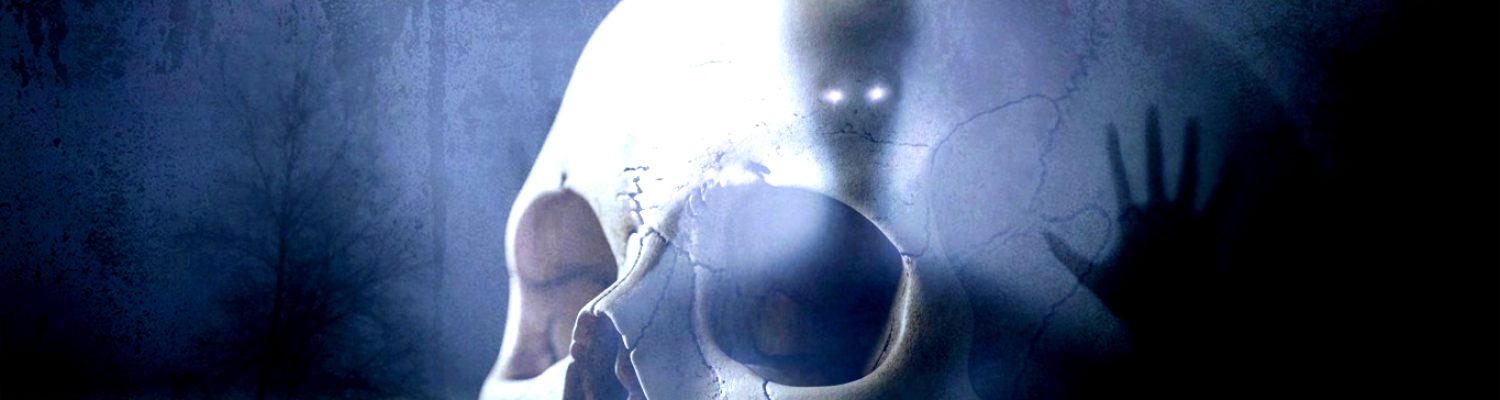
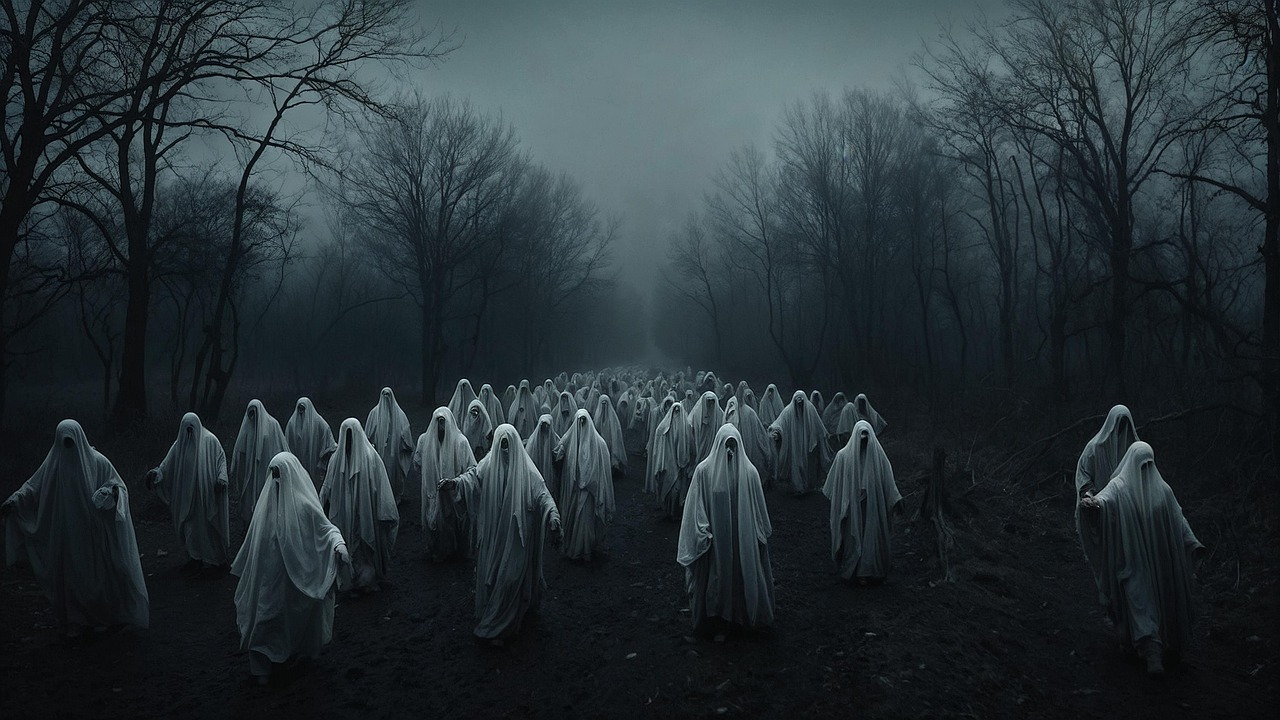
The eerie chill that creeps up your spine in a dark room, the inexplicable sound of footsteps in an empty hallway, or the fleeting glimpse of a shadowy figure—these experiences have captured the human imagination for centuries. Ghost sightings have been reported across cultures and time periods, but what fuels these spectral encounters? Paranormal psychology, a branch of study at the intersection of psychology and the supernatural, explores the role of belief in ghost sightings and experiences.
Understanding Paranormal Psychology
Paranormal psychology delves into phenomena that defy scientific explanation. It encompasses a range of topics, from telepathy to psychokinesis, but ghost sightings remain one of the most intriguing subjects. The role of belief systems in these encounters is crucial; belief shapes perception, and perception can be remarkably powerful.
The Power of Belief: Shaping Reality
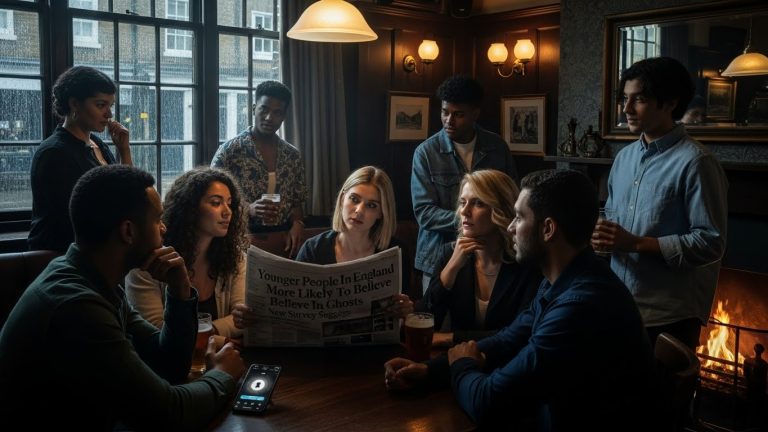
Belief is a potent force that can influence what we perceive as reality. In paranormal psychology, belief in ghosts often precedes sightings. Research suggests that individuals who believe in the supernatural are more likely to report ghostly encounters. This psychological phenomenon is known as a self-fulfilling prophecy, where belief alters perception, creating an experience that confirms the initial belief.
Consider the placebo effect in medicine, where patients experience real improvements in their condition after receiving a treatment with no therapeutic value, simply because they believe it works. Similarly, if someone believes in ghosts, they might interpret ambiguous stimuli—such as creaky floorboards or flickering lights—as signs of a haunting.
Cultural Influences on Ghost Beliefs
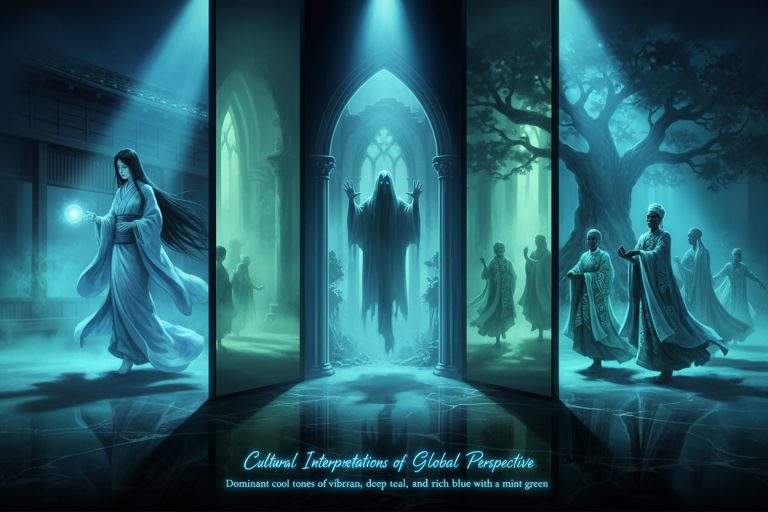
Culture plays a significant role in shaping beliefs about ghosts. In Western cultures, ghosts are often associated with unfinished business or tragic deaths, whereas in Eastern cultures, such as in Japan, they may be seen as spirits seeking revenge or peace. These cultural narratives can heavily influence what individuals report during ghost sightings.
For example, the concept of ancestor worship prevalent in many Asian cultures can lead to a different interpretation of ghost sightings compared to cultures that view ghosts as malevolent entities. This demonstrates how cultural context can mold experiences and perceptions of the paranormal.
The Role of Environment and Suggestibility
Environmental factors can also contribute to ghostly experiences. Consider the atmospheric conditions of a purportedly haunted location—dim lighting, cold drafts, and eerie silence can heighten senses and increase the likelihood of interpreting ordinary occurrences as supernatural. Psychologists have long studied how suggestibility, the degree to which individuals are inclined to accept and act on suggestions, plays into these experiences.
When visiting a haunted location, individuals might be primed by stories of past hauntings or media depictions to expect paranormal activity. This psychological state of heightened suggestibility can lead to misinterpretations of sensory information, reinforcing belief in ghosts.
The Science Behind Ghost Sightings
While belief is a significant factor, there are also scientific explanations for ghost sightings. For instance, sleep paralysis is a condition where individuals wake up unable to move, often accompanied by hallucinations of shadowy figures. This phenomenon has been linked to ghost sightings throughout history.
Another scientific angle involves infrasound, low-frequency sounds below the range of human hearing. These sounds can cause feelings of anxiety or unease, and in some cases, visual distortions. Infrasound is naturally occurring and can be found in many environments, potentially contributing to the eerie sensations associated with haunted places.
Ghosts and the Human Mind
The human brain is wired to find patterns and make meaning from the world around us. This capacity for pattern recognition has been crucial for survival, helping early humans identify threats and resources. However, it can also lead to apophenia, the tendency to perceive connections and patterns in unrelated or random phenomena.
In the context of ghost sightings, apophenia can cause individuals to interpret random noises, shadows, or movements as evidence of a ghostly presence. This cognitive bias, combined with pre-existing beliefs about the paranormal, can create compelling ghost experiences that feel real to those who encounter them.
The Psychological Benefits of Ghost Beliefs
Despite the fear they may evoke, ghost beliefs can offer psychological benefits. For some, belief in ghosts provides comfort, a way to feel connected to loved ones who have passed away. It can also offer a sense of control over the unknown, providing explanations for inexplicable events in a complex world.
Moreover, ghost stories and experiences can foster community and shared identity. Participating in ghost tours or sharing personal stories can create bonds between individuals, offering a sense of belonging and shared understanding.
Conclusion: The Interplay of Belief and Experience
Ghost sightings and experiences are a fascinating interplay of belief, culture, psychology, and science. While paranormal psychology continues to explore these phenomena, it is clear that belief plays a crucial role in shaping perceptions of ghostly encounters. Understanding this dynamic can enhance our appreciation of the human mind’s complexity and the diverse ways we interpret the world.
Ultimately, whether one is a skeptic or a believer, the study of paranormal psychology offers valuable insights into the human experience, revealing how deeply our beliefs influence our perceptions and the reality we construct around us.
Technological Influences on Ghost Sightings
In the modern era, technology has become a double-edged sword in the realm of ghost sightings. On one hand, advancements in equipment like EMF meters, infrared cameras, and digital recorders have enabled ghost hunters to gather purported evidence of the paranormal. These devices are frequently used to detect anomalies that are interpreted as ghostly presences.
However, technology can also be a source of skepticism. The ubiquity of smartphones with high-quality cameras has increased the number of ghost sightings captured on video or in photographs. Yet, this same technology has made it easier to debunk or dismiss these sightings as photographic artifacts, lens flares, or deliberate manipulations.
Social media platforms further complicate the narrative. They act as amplifiers for ghost stories, allowing them to spread rapidly and gather a following. Videos and images of alleged ghost encounters can go viral, blurring the line between authentic experiences and fabricated content. This digital age phenomenon underscores the importance of critical thinking and skepticism when evaluating ghost sightings.
Exploring the Future of Paranormal Psychology
The future of paranormal psychology holds promise for uncovering new insights into human belief systems and perception. As scientific methodologies evolve, researchers are better equipped to study the psychological and environmental factors that contribute to ghost sightings. Interdisciplinary approaches, combining psychology, neuroscience, and cultural studies, offer a comprehensive understanding of these complex phenomena.
Virtual reality (VR) technology presents new opportunities for research. VR can simulate ghostly experiences in controlled environments, allowing researchers to study how belief and suggestion impact perception without the variables present in real-world settings. This innovative approach could provide empirical data on how the mind constructs and interprets paranormal experiences.
Implications for Mental Health
The intersection of belief in ghosts and mental health is another area ripe for exploration. For some individuals, frequent or distressing ghost sightings might be symptomatic of underlying psychological conditions, such as anxiety or dissociative disorders. Understanding the role of belief can aid mental health professionals in providing appropriate support and interventions.
Conversely, belief in the paranormal can serve as a coping mechanism. It may offer solace and meaning during times of grief or uncertainty. Acknowledging the psychological benefits, alongside the potential drawbacks, allows for a nuanced perspective on the role of ghost beliefs in mental well-being.
Encouraging Open-Minded Skepticism
While belief in ghosts is widespread, encouraging open-minded skepticism is crucial. This approach balances curiosity and critical analysis, fostering a dialogue that respects personal experiences while seeking empirical understanding. It’s essential to approach ghost sightings with both wonder and a discerning eye, recognizing the intricate dance between belief and perception.
Education and public awareness can play a significant role in promoting critical thinking. By understanding the psychological mechanisms at play in ghost sightings, individuals can better navigate their experiences and contribute to a broader discourse on the paranormal.
Conclusion: Embracing the Mystery
Ghost sightings captivate because they reside in the space between reality and imagination, the known and the unknown. Paranormal psychology offers a lens through which we can explore these mysterious encounters, revealing the profound influence of belief on perception. As we continue to study and understand the interplay of psychological, cultural, and technological factors, we gain a deeper appreciation for the human mind’s capacity to create and interpret the world around us.
Ultimately, whether regarded as evidence of an afterlife or dismissed as psychological phenomena, ghost sightings invite us to embrace the mystery, sparking curiosity and wonder that transcend the boundaries of scientific explanation.
About the Author