
Understanding the Science Behind Ghost Sightings: A Comprehensive Guide
The concept of ghosts has fascinated humanity for centuries. These ethereal beings are often depicted in folklore, literature, and popular media, capturing our imagination and invoking a sense of mystery and intrigue. But what is the science behind ghost sightings? Are these apparitions a figment of our imaginations, or is there a scientific explanation? In this comprehensive guide, we delve into the various scientific theories and psychological factors that may explain ghost sightings, providing an in-depth understanding of this enigmatic phenomenon.
The Historical Context of Ghost Sightings
Before delving into scientific explanations, it’s essential to understand the historical context of ghost sightings. Ghosts have been part of human culture since ancient times, with early references found in religious texts and folklore. These spirits were often believed to be the souls of the deceased, lingering on Earth due to unfinished business or a refusal to move on to the afterlife.
In medieval Europe, ghost stories became more prevalent, often serving as moral tales or cautionary fables. By the Victorian era, ghost sightings were so common that they became a popular subject for novels and plays. The fascination with ghosts continues today, with countless television shows, movies, and books exploring the supernatural.
The Psychology of Ghost Sightings
One of the most significant areas of study when it comes to ghost sightings is psychology. The human brain is a complex organ capable of creating vivid experiences, especially under certain conditions. Here are some psychological factors that may contribute to ghost sightings:
1. Pareidolia
Pareidolia is the tendency to perceive familiar patterns, such as faces or shapes, where none exist. This phenomenon can occur when people see faces in inanimate objects or interpret random stimuli as significant. In the context of ghost sightings, pareidolia might cause someone to see a ghostly figure in shadows or reflections. Science Daily provides insights into how pareidolia can trick the mind into seeing things that aren’t there.
2. Sleep Paralysis
Sleep paralysis is a state during the transition between wakefulness and sleep, where a person is conscious but unable to move. This condition is often accompanied by hallucinations and a feeling of pressure on the chest, leading to reports of ghost sightings or demonic entities. The NHS explains how sleep paralysis can influence the perception of ghostly encounters.
3. The Power of Suggestion
The human mind is highly susceptible to suggestion, especially in environments associated with supernatural occurrences. If someone enters a location known for ghost sightings, they are more likely to interpret any unusual sounds or sights as paranormal. This effect is amplified in group settings, where shared expectations can lead to collective experiences of ghost sightings.
The Role of Environmental Factors
Environmental factors can also play a significant role in ghost sightings. Certain conditions can lead to experiences that are misinterpreted as paranormal. Here are some examples:
1. Low-Frequency Sound Waves

Low-frequency sound waves, or infrasound, are below the threshold of human hearing, yet they can have profound effects on the body. Infrasound can cause feelings of unease, anxiety, and even visual hallucinations. These sensations may lead individuals to believe they are experiencing a ghostly presence. Research by Acoustical Society of America highlights the impact of infrasound on human perception.
2. Electromagnetic Fields
High levels of electromagnetic fields (EMFs) can affect the brain’s functioning, leading to feelings of paranoia, anxiety, and hallucinations. Locations with a high concentration of EMFs, such as near electrical wiring or equipment, might be mistaken for haunted sites. The connection between EMFs and paranormal experiences is an area of ongoing research.
3. Carbon Monoxide Poisoning
Exposure to carbon monoxide, a colorless and odorless gas, can lead to symptoms such as headaches, dizziness, and hallucinations. In some historical cases, ghost sightings have been attributed to carbon monoxide poisoning from faulty heating systems. Ensuring proper ventilation and regular maintenance of appliances can prevent such occurrences.
Scientific Investigations of Ghost Sightings
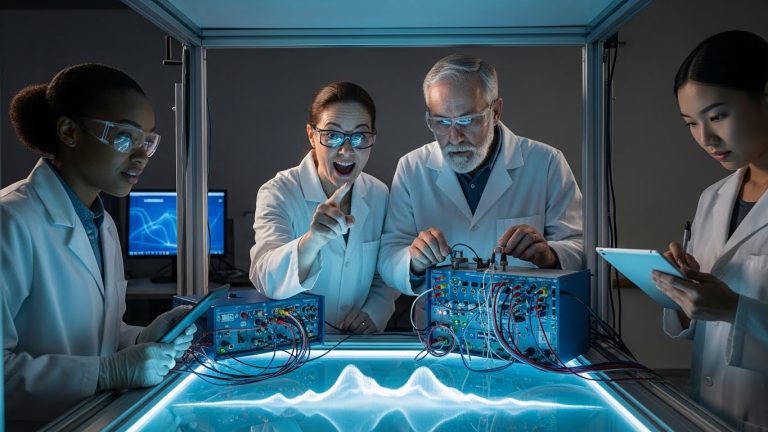
Over the years, many scientists and researchers have attempted to investigate ghost sightings using scientific methods. Paranormal investigators often use various tools, such as EMF detectors, infrared cameras, and audio recording devices, to capture evidence of ghostly activity. However, the scientific community remains skeptical about the existence of ghosts due to the lack of empirical evidence.
One notable investigation was conducted by the Society for Psychical Research, founded in 1882, which sought to apply scientific principles to the study of paranormal phenomena. Despite extensive research, the society has not found conclusive evidence to support the existence of ghosts.

Conclusion: A Rational Perspective on Ghost Sightings
While ghost sightings continue to captivate our imaginations, understanding the science behind these experiences can provide clarity and rational explanations. Psychological factors like pareidolia and sleep paralysis, environmental influences such as infrasound and EMFs, and the power of suggestion all contribute to the perception of ghostly encounters.
Ultimately, the science behind ghost sightings highlights the fascinating ways in which our minds and environments can create experiences that seem inexplicable. While the existence of ghosts remains unproven, the continued exploration and study of these phenomena offer valuable insights into the human psyche and the world around us. For those interested in further exploring the mysteries of the mind, resources such as Psychology Today provide a wealth of information on related topics.
The Cultural Impact of Ghost Sightings
Ghost sightings have not only influenced individual experiences but have also had a profound impact on culture and society. These phenomena have shaped various cultural practices, beliefs, and artistic expressions throughout history.
1. Literature and Media
Ghosts have been a staple in literature and media, providing a rich tapestry for storytelling. From Shakespeare’s “Hamlet” to modern horror films like “The Sixth Sense,” ghostly tales captivate audiences and explore themes of life, death, and the unknown. These stories often reflect societal fears and anxieties, serving as a mirror to cultural values and norms.
2. Religious and Spiritual Beliefs

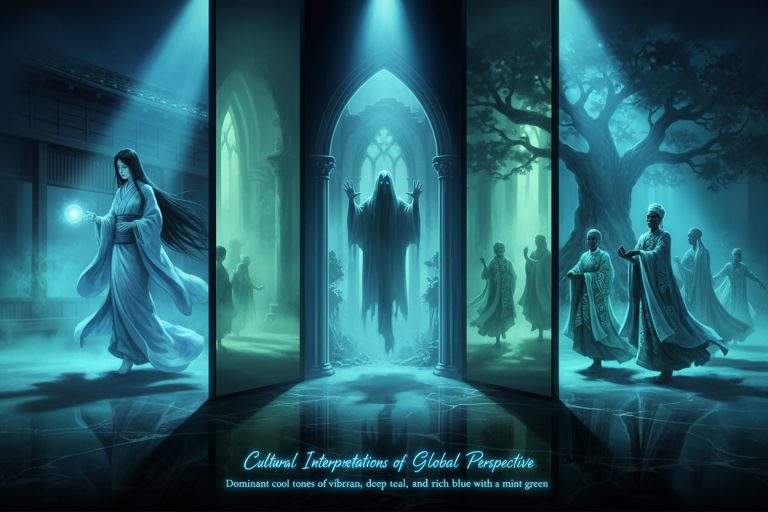
In many cultures, ghost sightings are deeply intertwined with religious and spiritual beliefs. Ghosts are often considered the souls of the departed, and their sightings can be seen as messages from the afterlife. Rituals and practices designed to honor or appease spirits are common in various religious traditions, reflecting the significance of ghosts in the spiritual landscape.
3. Tourism and Economy
Ghost tourism has become a significant industry, with haunted locations attracting visitors eager to experience the supernatural. From guided ghost tours in historic cities to overnight stays in renowned haunted hotels, the allure of ghost sightings contributes to local economies and offers a unique form of entertainment. Websites like Lonely Planet provide insights into some of the best ghost tours around the world.
The Future of Ghost Research
As technology advances, the tools and methods used to investigate ghost sightings continue to evolve. Modern ghost hunters now have access to sophisticated equipment that can detect environmental changes and capture potential evidence of paranormal activity. This progress may lead to new insights and a better understanding of the phenomena associated with ghost sightings.
1. Technological Innovations
Tools such as thermal imaging cameras, digital audio recorders, and motion sensors are now standard in paranormal investigations. These devices help researchers gather data and analyze potential anomalies that may be interpreted as ghostly activity. As technology continues to advance, new innovations may further enhance our ability to explore these mysteries.
2. Collaborative Research Efforts

Interdisciplinary collaboration between psychologists, physicists, and paranormal researchers could lead to a more comprehensive understanding of ghost sightings. By combining expertise from various fields, researchers can explore the psychological, environmental, and technological aspects of these phenomena, potentially uncovering new explanations and insights.
3. Public Engagement and Skepticism
Public interest in ghost sightings remains high, with many people expressing curiosity and skepticism about the supernatural. Engaging the public in scientific research and promoting critical thinking can help demystify ghost sightings and encourage a more rational approach to understanding these experiences.
Conclusion: Embracing the Mystery
Ghost sightings are a complex and multifaceted phenomenon that continues to intrigue and perplex us. While scientific explanations provide valuable insights into the psychological and environmental factors contributing to these experiences, the allure of the unknown persists. Ghost sightings challenge our understanding of reality and push the boundaries of our imagination, inviting us to explore the limits of human perception and belief.
Whether viewed as a product of the mind or a genuine connection to the supernatural, ghost sightings remain an enduring part of our cultural landscape. By embracing the mystery and continuing to explore these phenomena with an open mind and a critical eye, we can deepen our understanding of the world and our place within it.
For those interested in further exploring the intersection of science and the supernatural, there are numerous resources available, such as the Scientific American, offering articles and insights into the ongoing research and debate surrounding ghost sightings and other paranormal phenomena.
About the Author