
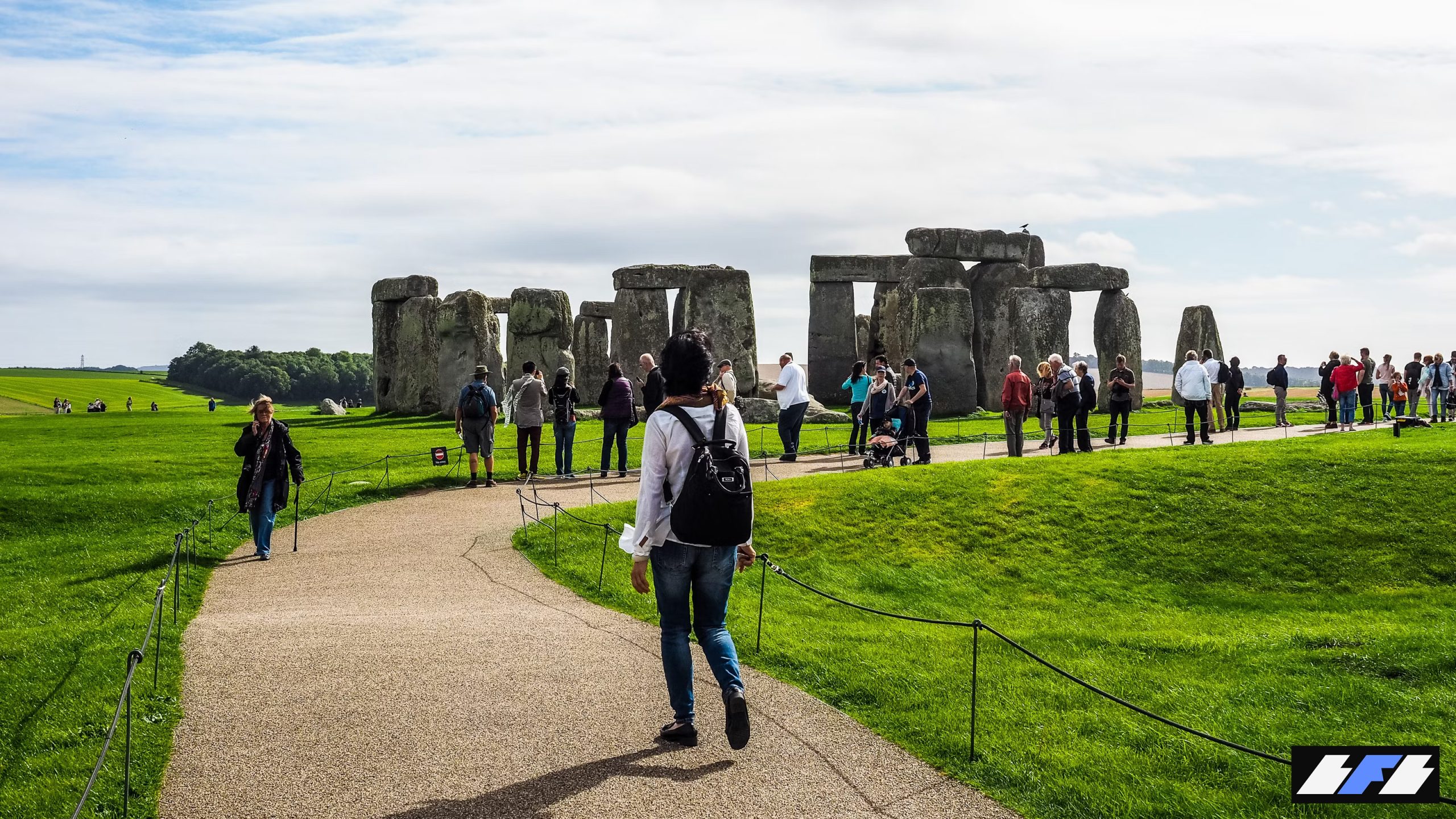
Stonehenge may be one of the world’s most well-known ancient sites, but much of its story is still unknown. Even after decades of research, the monument’s true purpose remains one of archaeology’s biggest unanswered questions.
However, last month, archaeologists revealed an unexpected clue that could finally explain how Stonehenge was constructed, and a new discovery may provide some insight into why.
Researchers recently identified at least 20 large pits arranged in a “near-perfect ring” around Durrington Walls—another landmark within the Stonehenge World Heritage site. Here’s an overview of the discovery and what it could mean.
Archaeologists Have Uncovered Hidden Pits Beneath Stonehenge
In a recent study published in the journal Internet Archaeology, researchers delved further into the discovery of a ring of enormous pits surrounding Durrington Walls and the nearby Woodhenge in Wiltshire, both within the Stonehenge World Heritage Site.
Since 2020, archaeologists have documented about 20 pits arranged in “near-perfect” intervals, measuring 32 feet wide and 16 feet deep. Together, the pits form what researchers believe is a structure, possibly “one of the largest prehistoric structures in Britain, if not the largest prehistoric structure,” the University of Bradford’s School of Archaeological and Forensic Sciences, Professor Vince Gaffney, told the BBC.
While some researchers believe the pits are naturally occurring, Gaffney thinks the structure is far too large to have formed on its own—and there’s proof.
How Researchers Determined The Pits Were Man-Made
Digging deep holes through dense chalk would have been painstakingly difficult for Neolithic communities, which is one reason some archaeologists suspected the pits formed naturally. But Professor Gaffney noted that their precise spacing was far too perfect to be the result of natural processes.
To investigate this theory further, the research team used several methods of study. First, they conducted an Electrical Resistance Tomography (ERT) survey to determine the size and depth of the pits. ERT is a scanning method that creates a 2D picture of what’s underground by measuring how well electricity moves through the soil.
Then, to figure out how the pits were made, researchers extracted core samples. These samples contained ancient plant DNA and traces of animals such as sheep and cattle, allowing scientists to recreate the environment and determine the age of the pits.
Their findings confirmed that the pits date back more than 4,000 years to the Late Neolithic period. And most notably, repeated DNA patterns across different parts of the structure provided evidence of deliberate construction.
“The recent work confirms that the circle of shafts surrounding Durrington Walls is without precedent within the UK. These features were not simply dug and abandoned – they were part of a structured, monumental landscape that speaks to the complexity and sophistication of Neolithic society,” Gaffney said in a news release.
However, the reason for building these pits is less clear.
What The Massive Pits Tell Archaeologists About Stonehenge’s Builders
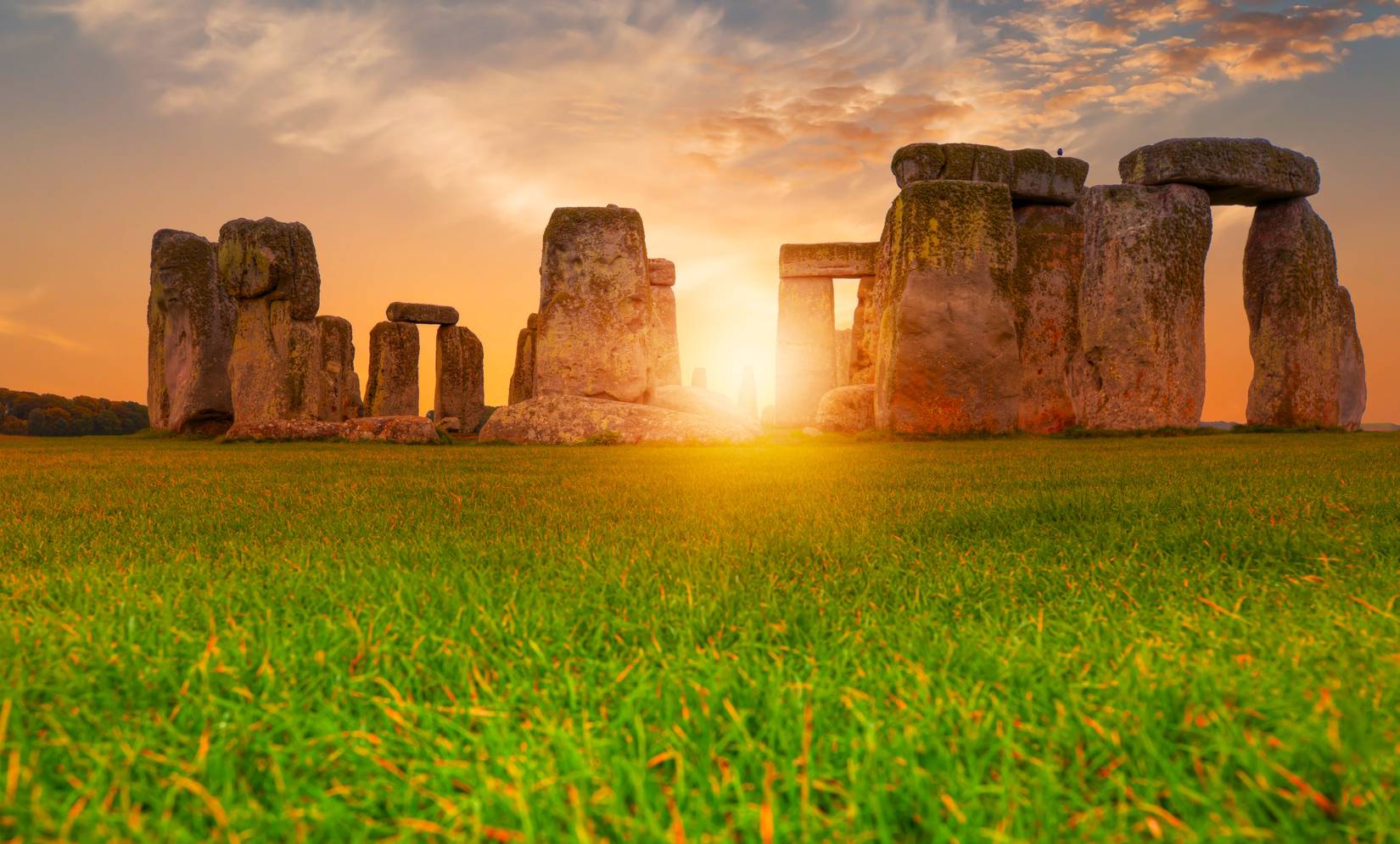
Even with the recently extracted data, archaeologists still don’t know what the structure was used for. Gaffney has suggested it may have been connected to beliefs involving an underworld, likely holding symbolic or ritual significance.
Regardless of its meaning, the structure does suggest that Stonehenge’s builders were capable of far more complex landscape engineering than previously thought.
“The exceptional size of the pits demanded a novel strategy to explore them without the need for a major, and very expensive, excavation,” Gaffney told The Guardian.
Archaeologists also believe the pits were carefully and intentionally spaced. The ancient builders likely measured the layout by pacing it out, placing each pit the same distance from the henge and a previous enclosure.
| Discovery: | At least 20 pits arranged in a ring |
|---|---|
| Age: | Over 4,000 years old |
| Location: | Surrounding Durrington Walls and Woodhenge |
| Size: | 32 feet wide and 16 feet deep |
| Purpose: | Possibly used as a symbolic representation of the underworld |
As their research continues, archaeologists hope these pits will bring them closer to understanding the motivations of the people who created what is today, one of the world’s most mysterious ancient sites.


About the Author