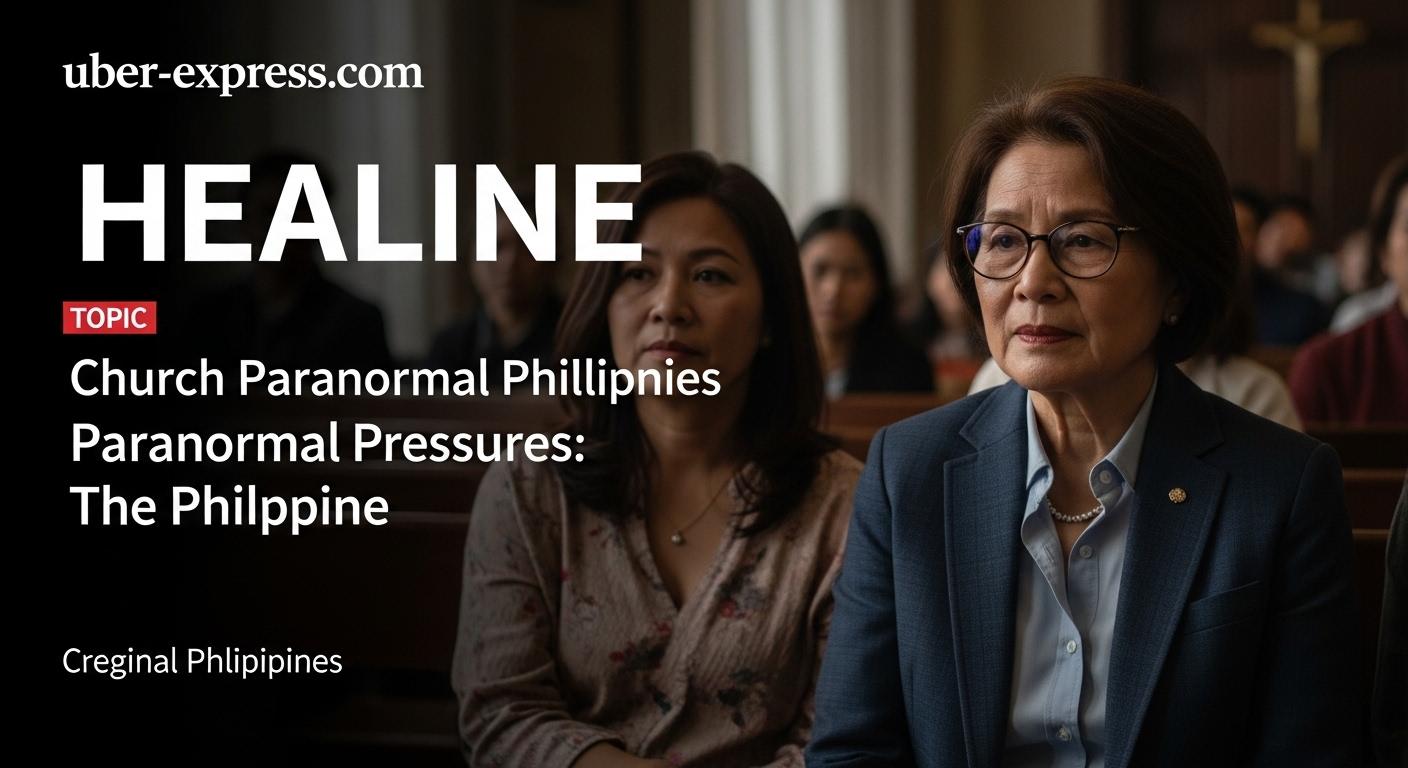
Across the Philippines, stories of church Paranormal Philippines phenomena circulate in communities where faith is a daily practice. These tales—ranging from whispers in old pews to sightings after dusk near parish bells—are not merely folklore. They map how people interpret uncertainty, navigate grief, and organize collective response when the sacred space feels temporarily unsettled. This analysis investigates why such narratives endure, how they travel through networks of faith and media, and what they reveal about social resilience, governance, and everyday spirituality in the Philippines.
Context and Framing: Faith, Folklore, and Public Life
The Philippines is a predominantly Catholic society with a long history of religious ritual, communal procession, and devotional storytelling. In this setting, churches are not just buildings; they anchor community memory, rites of passage, and conflict resolution. When unexplained events occur in or near church spaces—strange sounds, sudden drops in temperature, or fleeting figures—they are quickly interpreted through culturally familiar lenses: divine signs, ancestral presence, or spiritual testing. By examining these narratives as social artifacts, we can discern how communities reconcile the tension between empirical caution and experiential knowledge. Rather than dismissing such experiences as mere superstition, a careful analysis treats them as indicators of how people assign meaning to uncertainty and how religious institutions respond to beliefs that travel beyond doctrine into everyday life.
The Mechanics of Transmission: How Stories Spread and Solidify
Paranormal claims linked to church spaces propagate through a mix of oral tradition, local media, and increasingly, social platforms. In many towns, a single incident—an auditor’s whisper during a vigil, a legend about an abandoned crypt beneath the nave, or a healing attributed to a nocturnal apparition—can be amplified through parish newsletters, village rumor networks, and online forums. Cognitive and social dynamics help explain the staying power of these narratives: ambiguity is memorable; ritual settings confer legitimacy; and communal validation (stories retold at home, in markets, or during feast days) reinforces a shared sense of reality. Importantly, these stories often refract broader concerns—economic strain, safety in aging church infrastructure, or grief over loss—that communities prefer to address within a familiar sacred frame rather than through external authorities alone.
Practical Implications for Communities and Institutions
For congregations and local governments, paranormal narratives can be a catalyst for constructive action if approached with care. First, transparency matters: when unusual events occur, clear, non-defamatory explanations from church leadership and local authorities help prevent rumor spirals. Second, maintenance and safety audits of aging church properties reduce legitimate safety concerns that might otherwise be attributed to supernatural causes. Third, pastoral care and mental health support play a crucial role in addressing fear and grief that such stories can magnify, especially among vulnerable groups like the elderly or first-time visitors. Fourth, media literacy and responsible storytelling help differentiate authentic experiences from sensationalism, preserving folklore as cultural heritage rather than sensational content. Finally, these dynamics can inform disaster planning and crisis communication, where trusted religious institutions often serve as community anchors during emergencies.
Media, Tourism, and Governance Implications
When paranormal narratives become part of a parish’s identity, they can attract visitors and pilgrims curious about the mystery surrounding sacred spaces. This can bolster local tourism and charitable fundraising, but it also risks commodifying fear or stigmatizing a neighborhood. Municipalities and church leaders should collaborate to establish guidelines that balance respectful storytelling with safety and reputational considerations. Responsible reporting—highlighting verified facts, avoiding sensationalism, and distinguishing folklore from verifiable events—helps preserve cultural integrity while preventing harm. In governance terms, these narratives invite policymakers to support preservation of heritage architecture, fund community mental health programs, and encourage interfaith dialogue that acknowledges diverse experiences without compromising secular standards of evidence and safety.
Actionable Takeaways
- Establish transparent incident reporting channels within parishes and liaise with local authorities to provide accurate updates during unusual events.
- Invest in safety audits and maintenance of aging church facilities to address legitimate concerns behind paranormal interpretations.
- Provide accessible pastoral care and mental health resources to communities affected by fear or anxiety linked to church-related experiences.
- Promote media literacy and responsible journalism to ensure folklore is documented respectfully without sensationalism.
- Encourage cultural programs that contextualize folklore within Philippine history, preserving heritage while safeguarding community well-being.
Source Context
For broader context on religious life, memory, and public events in the Philippines, see these sources: