The Different Types of Ghosts According to Paranormal Experts
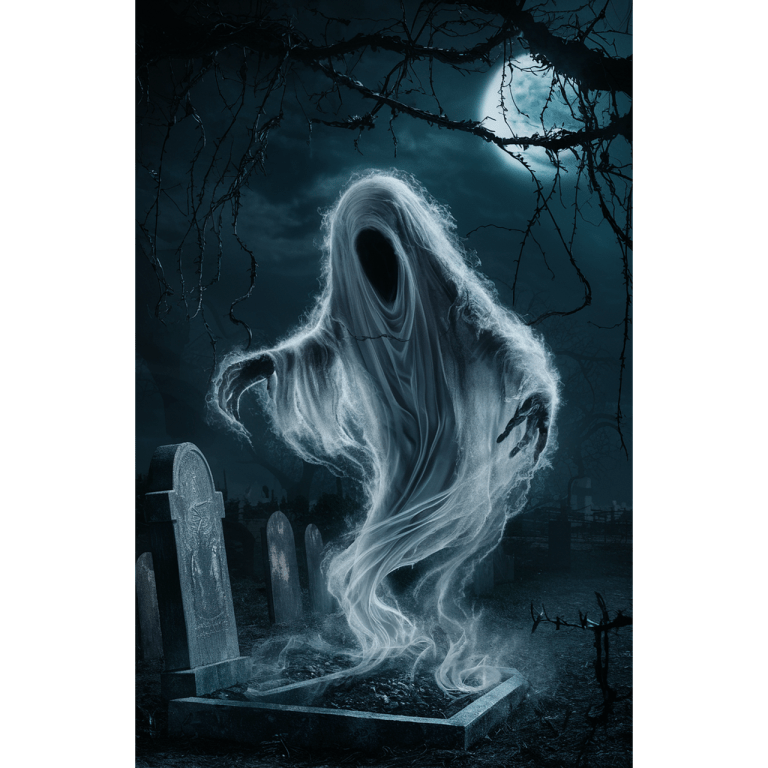
Throughout history, the concept of ghosts has fascinated cultures worldwide. For some, they represent the souls of the deceased who haven’t moved on to the afterlife, while for others, they are mere figments of the imagination. Paranormal experts, however, have categorized ghosts into different types based on their characteristics and behaviors. In this post, we’ll delve into these different types of ghosts, providing detailed insights and examples along the way.
1. Residual Hauntings
Residual hauntings are often described as a playback of past events. These ghosts do not interact with the living and are typically tied to traumatic or emotionally charged events. Often referred to as “imprints,” these hauntings are repetitive and follow the same patterns repeatedly.
An example of a residual haunting could be the repeated footsteps of a soldier in an old battlefield or the sound of doors slamming in an abandoned house. Paranormal experts believe that these imprints are left due to the intense emotional energy expended during the event.
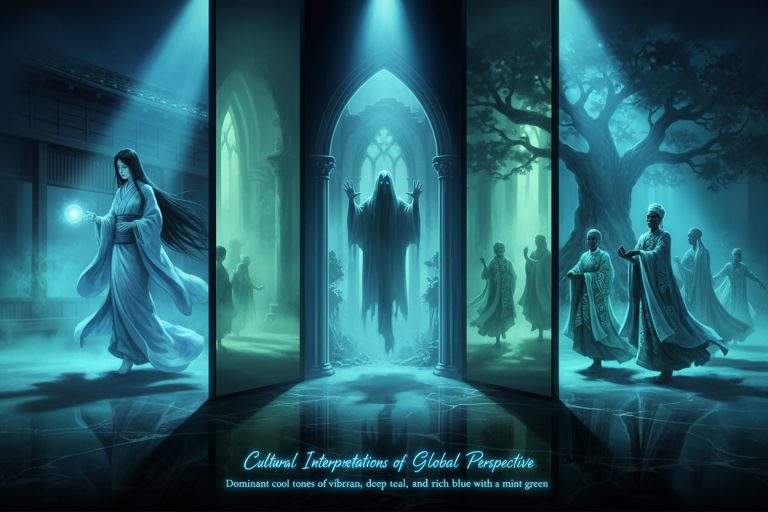
For more information on how ghosts are perceived in different cultures, you can explore various anthropological studies.
2. Intelligent or Interactive Spirits
Unlike residual hauntings, intelligent spirits are believed to be the souls of deceased individuals who are aware of and can interact with the living. These ghosts have been reported to communicate through various means, including electronic devices, ouija boards, and even direct contact.
These spirits often remain in our world due to unfinished business or a strong attachment to people or places. They may also linger to deliver a message or warning. Many paranormal experts consider these interactions as the most compelling evidence of life after death.
For a comprehensive understanding of how these spirits communicate, refer to studies on paranormal psychology.
3. Poltergeists
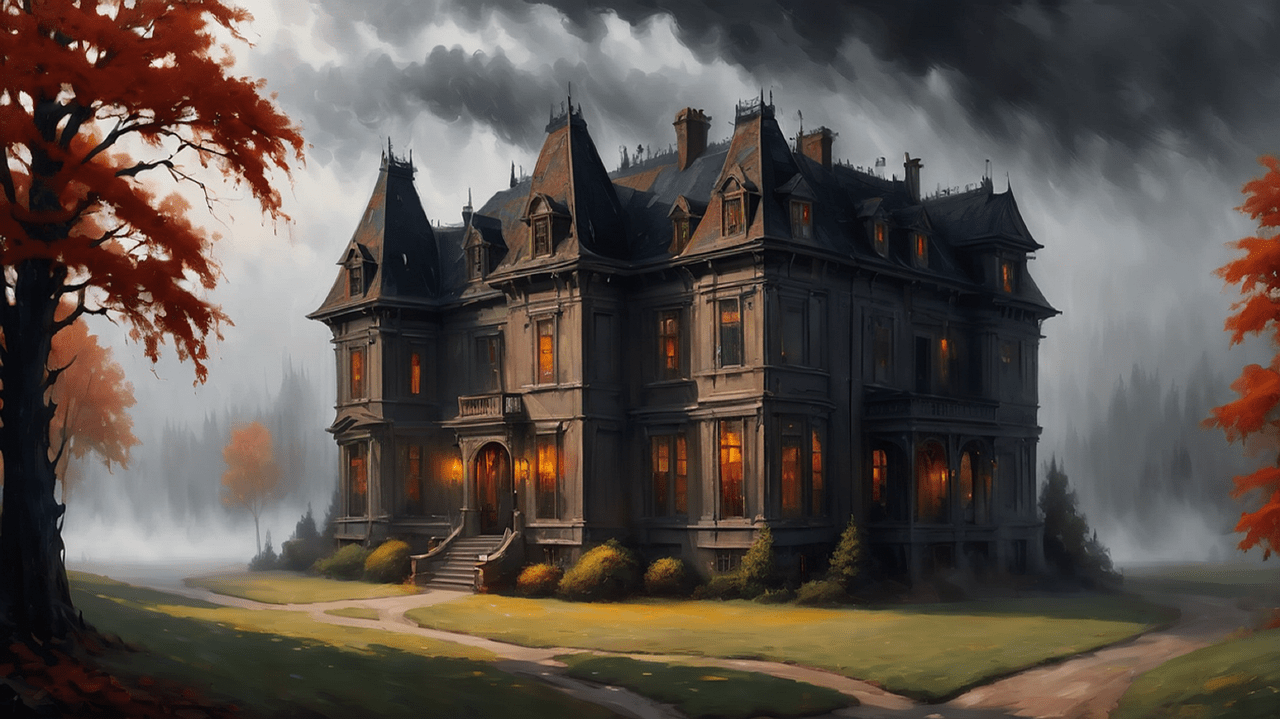
Poltergeists, derived from the German words for “noisy ghost,” are known for their disruptive and sometimes violent behavior. These entities are said to manifest through the movement of objects, loud noises, and physical attacks. Some experts theorize that poltergeists are not spirits but rather manifestations of human psychokinetic energy.
Cases of poltergeist activity often coincide with the presence of adolescents, leading some researchers to suggest a link between the emotional turbulence of puberty and these disturbances. The Enfield Poltergeist is one such famous case that drew significant media attention and remains a subject of debate among paranormal investigators.
4. Shadow People
Shadow people are a relatively recent addition to the lexicon of ghostly phenomena. Often seen as dark, shadowy figures, they are typically observed out of the corner of one’s eye and are known to vanish when directly looked at. Experiences with shadow people are often accompanied by a sense of dread or unease.
Unlike other types of ghosts, shadow people are thought to be interdimensional beings rather than spirits of the deceased. Some theories suggest they are manifestations of negative energy or entities from parallel universes.
To explore the concept of interdimensional beings further, you might want to check out theories on parallel universes.
5. Crisis Apparitions
Crisis apparitions are a unique type of ghost associated with the moment of death or a critical life event. These apparitions are often seen by loved ones of the deceased, sometimes appearing to offer comfort or convey a final message.
Reports of crisis apparitions suggest that they often occur in dreams or visions, providing closure to those left behind. While skeptics argue these experiences are merely psychological responses to grief, believers see them as evidence of a spiritual connection transcending death.
6. Animal Spirits
Animal spirits or ghost animals are sightings of deceased pets or wildlife. Many people report feeling the presence of a beloved pet long after their passing, including hearing familiar sounds or feeling their touch. These encounters are often comforting, providing a sense of continuity beyond physical death.
There are also numerous accounts of wild animal spirits tied to locations, such as the ghostly hounds of English folklore. These spirits are believed to protect or haunt specific areas, depending on their nature.
For more on the cultural significance of animal spirits, the role of animal spirits in indigenous cultures offers fascinating insights.
7. Demonic Entities
Demonic entities are perhaps the most feared type of ghostly presence. These malevolent spirits are often associated with possession and are believed to originate from a non-human source. Demonic hauntings are characterized by aggressive behavior, including physical attacks and psychological manipulation.
Exorcisms and religious rituals are often employed to combat these entities, as they are considered beyond the scope of typical paranormal investigation. The distinction between demonic entities and other types of ghosts is crucial, as the approach to dealing with them differs significantly.
Takeaways
Understanding the different types of ghosts according to paranormal experts can offer valuable insights into the nature of the supernatural. Whether you are a skeptic or a believer, these classifications help frame experiences and encounters with the unexplained. As our understanding of the paranormal evolves, so too will our interpretations of these ghostly presences. Whatever your beliefs, the world of ghosts remains a captivating and mysterious realm that continues to inspire curiosity and wonder.
The Role of Technology in Ghost Hunting
The advent of technology has significantly impacted the study of paranormal phenomena. Ghost hunters and paranormal investigators often utilize a variety of tools to detect and document ghostly activities. These tools include electromagnetic field (EMF) meters, digital voice recorders, infrared thermometers, and night vision cameras.
EMF meters are used to detect fluctuations in the electromagnetic field, which some believe are associated with ghostly presences. Digital voice recorders capture Electronic Voice Phenomena (EVP), unexplained sounds or voices that are often not heard during recording but appear upon playback.
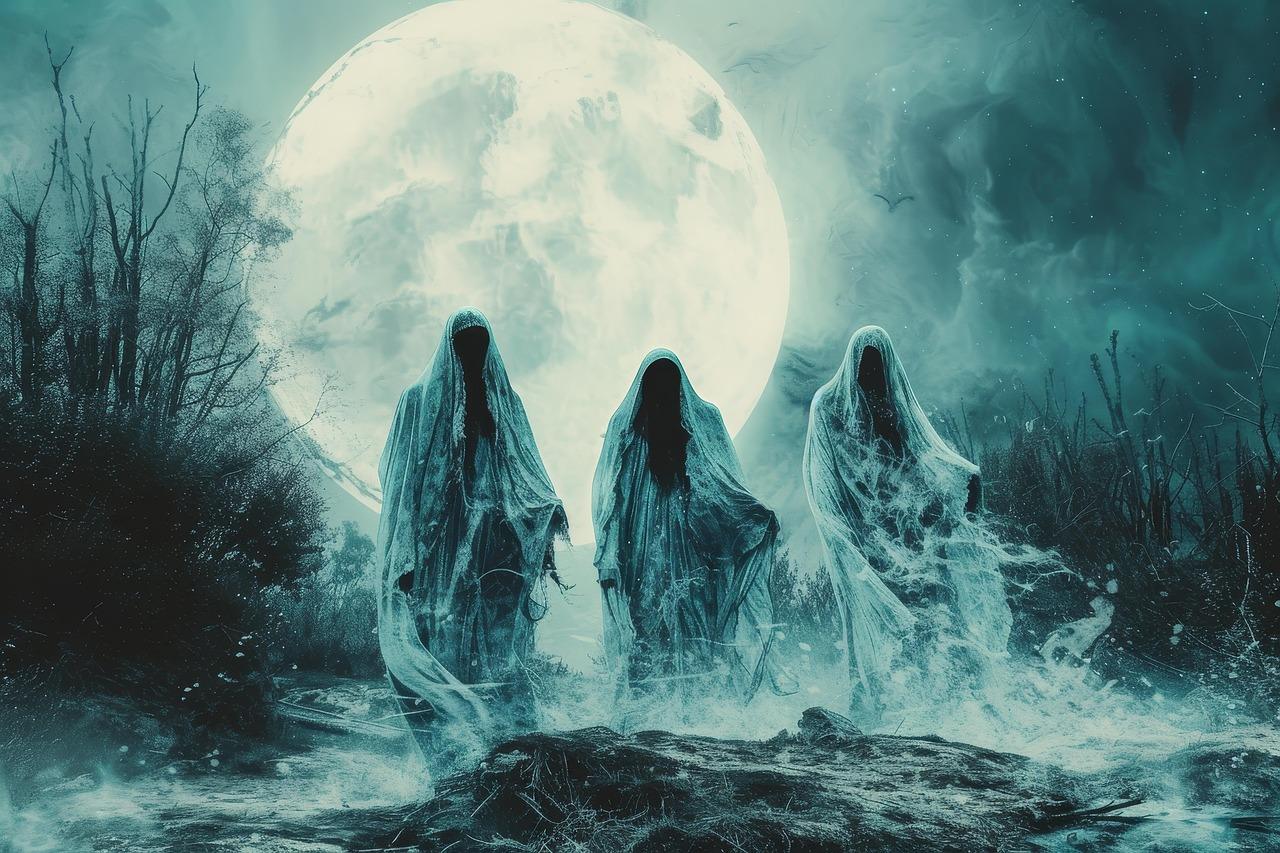
Infrared thermometers are employed to identify cold spots, which are often reported in haunted locations. Night vision cameras enable investigators to explore dark environments where many sightings occur. These technological advances have provided new avenues for research, allowing experts to collect evidence and analyze it with greater precision.
For those interested in the scientific study of paranormal phenomena, the science behind ghost hunting offers an intriguing perspective.
Ghosts in Popular Culture
Ghosts have been a staple in popular culture for centuries, influencing literature, film, and television. They have been depicted in various ways, from terrifying entities in horror movies to friendly spirits in children’s tales. This cultural fascination with ghosts reflects our collective curiosity about the afterlife and the unknown.
Classic literature, such as Charles Dickens’ “A Christmas Carol,” uses ghosts to convey moral lessons and explore themes of redemption. In contrast, modern horror films often depict ghosts as vengeful spirits, heightening the suspense and fear factor.
Television shows like “Ghost Hunters” and “The Haunted” have brought ghost hunting into the mainstream, showcasing investigations and purported evidence of paranormal activity. These representations continue to shape public perceptions of ghosts and influence societal attitudes toward the supernatural.
Debunking Ghost Myths
Despite numerous reports and eyewitness accounts, many ghostly phenomena can be explained through natural or psychological means. Skeptics argue that factors such as sleep paralysis, infrasound, and environmental conditions can contribute to perceived hauntings.
Sleep paralysis occurs when a person becomes conscious while their body remains in a state of paralysis, often accompanied by hallucinations. This can create a terrifying experience that some might interpret as a ghostly encounter. Infrasound, low-frequency sound waves that are inaudible to the human ear, can induce feelings of unease or dread and may be responsible for some haunted experiences.
Environmental factors, such as drafts, creaky floorboards, and uneven lighting, can also lead to misinterpretations of ghostly activity. Understanding these elements can help debunk myths and provide a more grounded perspective on the paranormal.
Takeaways
Exploring the different types of ghosts through the lens of paranormal experts offers a fascinating glimpse into a world that straddles the line between reality and the unknown. Whether you view ghosts as remnants of the past, manifestations of energy, or simply stories that fuel our imagination, they remain an integral part of human culture and curiosity.
As technology advances and our understanding of the paranormal deepens, we may one day unravel the mysteries surrounding these enigmatic entities. Until then, ghosts will continue to haunt the halls of our collective consciousness, reminding us of the thin veil that separates the known from the unknown.
Personal Accounts and Anecdotes
Personal accounts and anecdotes serve as a significant component of ghost lore. These stories, passed down through generations or shared online, often provide the most compelling evidence for believers. While anecdotal in nature, they capture the emotional and psychological impact of ghostly encounters.
Many individuals report experiences with deceased loved ones, describing sensations of comfort and connection. These encounters can offer solace and closure, reinforcing the belief that love transcends physical existence. Other stories recount unsettling experiences in haunted locations, where witnesses claim to feel a chilling presence or see unexplained apparitions.
While skeptics may dismiss these stories as subjective interpretations or fabrications, they remain a vital aspect of the ghost phenomenon. Personal accounts continue to inspire curiosity and drive the quest to understand the mysteries of the afterlife.
The Psychological Implications of Ghost Beliefs
Belief in ghosts can have profound psychological implications. For some, it offers comfort in the face of mortality, providing hope for an existence beyond death. For others, especially those who report negative encounters, it can lead to fear and anxiety.
Researchers in psychology and psychiatry have explored the impact of ghost beliefs on mental health. Some studies suggest that belief in the paranormal may be associated with certain cognitive and emotional traits, such as openness to experience and a predisposition to see patterns.
For those who have experienced trauma or loss, belief in ghosts can serve as a coping mechanism, allowing individuals to process their emotions and find meaning in their experiences. Understanding these psychological aspects can shed light on why ghost beliefs persist across cultures and generations.
The Future of Ghost Research
The future of ghost research holds exciting possibilities as technology and scientific methodologies continue to evolve. With advancements in fields such as quantum physics and neuroscience, researchers are exploring new theories that could explain ghostly phenomena.
One area of interest is the study of consciousness and its potential to exist independently of the physical body. This exploration could offer insights into the nature of ghosts and the possibility of life beyond death.
Additionally, the use of artificial intelligence and machine learning in analyzing paranormal data could lead to breakthroughs in understanding patterns and correlations that have previously gone unnoticed.
As we continue to push the boundaries of science and technology, the pursuit of answers to the age-old questions surrounding ghosts remains an intriguing and evolving field.
Final Thoughts
The exploration of ghosts and their various types offers a window into humanity’s enduring fascination with the supernatural. Whether viewed as spirits of the dead, interdimensional beings, or psychological constructs, ghosts challenge our perceptions and invite us to question the nature of existence.
For believers, ghosts affirm the continuity of life beyond the grave, while for skeptics, they highlight the complexities of human perception and belief. Regardless of where one stands on the spectrum, the study of ghosts remains a captivating journey into the unknown, encouraging dialogue and exploration across cultures and disciplines.
Ultimately, the quest to understand ghosts reflects a deeper human desire to connect with the mysteries of life and death, to find meaning in the unseen, and to explore the boundaries of our reality.