The Science Behind the Supernatural: A Rational Approach to Otherworldly Experiences
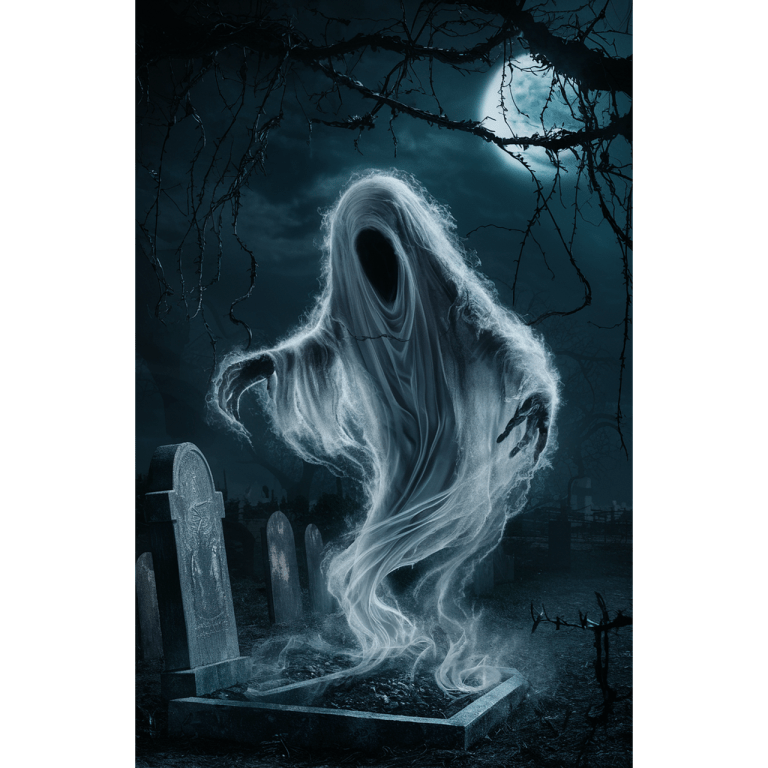
The supernatural has long intrigued humanity, capturing our imaginations and challenging our understanding of reality. From ghostly apparitions to psychic phenomena, these experiences often defy conventional explanations. Yet, as science continues to explore the bounds of the unknown, it offers new insights that can help demystify the seemingly otherworldly. This blog post delves into the science behind supernatural experiences, offering a rational approach to understanding these phenomena.
The Historical Context of Supernatural Beliefs
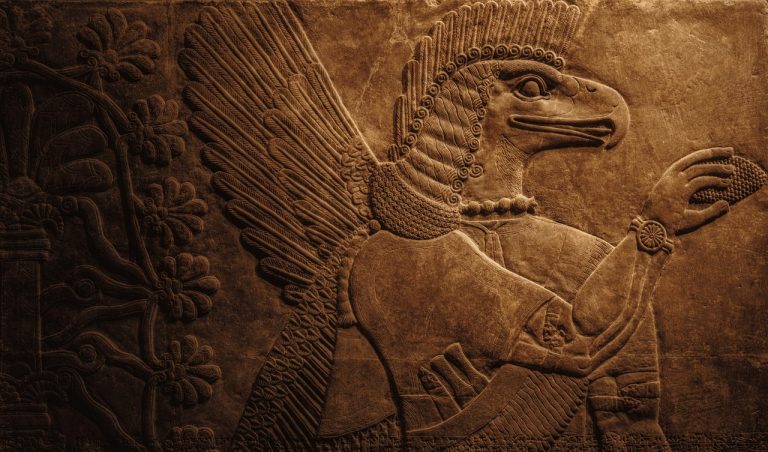
Throughout history, supernatural beliefs have played a significant role in shaping cultures and societies. Ancient civilizations often attributed natural events to the actions of gods or spirits. These beliefs persisted through the Middle Ages, where witch hunts and superstitions dominated societal norms. Even today, many people turn to supernatural explanations when faced with the inexplicable.
Understanding the historical context of supernatural beliefs is crucial. It provides insight into why these notions persist and how they’ve evolved over time. For a detailed exploration of supernatural phenomena, you might find interest in the history of superstition, which sheds light on how these beliefs have been interpreted through the ages.
The Psychology of Supernatural Experiences
Many supernatural experiences can be explained through psychology. Cognitive biases, such as pattern recognition and confirmation bias, play a significant role in interpreting ambiguous stimuli as supernatural. When faced with uncertainty, the human brain tends to search for familiar patterns, sometimes leading to the perception of ghostly figures or unexplained sounds.
Moreover, psychological phenomena like sleep paralysis and hallucinations can create vivid supernatural experiences. During sleep paralysis, individuals are often unable to move while experiencing terrifying visions, leading to reports of demonic encounters. Learning more about sleep paralysis can offer a scientific understanding of how these terrifying experiences occur.
Neuroscience and the Brain’s Role
Advancements in neuroscience provide further insights into supernatural occurrences. The brain’s complex functioning can sometimes produce sensations that feel otherworldly. For instance, temporal lobe epilepsy is known to cause intense religious and mystical experiences, often mistaken for supernatural events. This condition highlights how brain activity can influence perceptions and beliefs.
Additionally, studies have shown that stimulating specific areas of the brain can induce sensations of a “presence” or the feeling of being watched, experiences often reported in haunted locations. Interested readers can explore more about the neuroscience of ghostly encounters, which provides a scientific explanation for these phenomena.
Quantum Physics and Alternate Realities
Quantum physics, with its perplexing principles, has sparked discussions about the nature of reality and the potential for alternate dimensions. While the science is complex, some researchers propose that phenomena like parallel universes could potentially explain certain supernatural experiences. The concept of quantum entanglement, where particles can affect each other over vast distances, challenges traditional notions of cause and effect, offering a potential explanation for psychic connections.
Though still largely theoretical, the exploration of quantum theories continues to push the boundaries of our understanding, opening new possibilities for interpreting supernatural occurrences.
The Role of Cultural Influence
Culture significantly shapes our interpretation of supernatural experiences. What is perceived as a ghost in one culture may be seen as a deity or ancestor in another. Cultural narratives and media representations also play a role in reinforcing supernatural beliefs. Movies, books, and folklore often dramatize these occurrences, making them more tangible to believers.
Understanding cultural influences is crucial for a comprehensive view of supernatural phenomena. It highlights the subjective nature of these experiences and emphasizes the importance of context in interpreting them. Exploring various cultural perspectives on supernatural beliefs can offer a broader understanding of how these ideas manifest worldwide.
The Intersection of Science and the Supernatural
While science and the supernatural are often seen as opposing forces, they can complement each other in exploring the unknown. Scientific inquiry encourages skepticism and critical thinking, essential tools for evaluating supernatural claims. Yet, the mysteries of the supernatural can inspire scientific exploration, pushing researchers to expand the boundaries of current knowledge.
By adopting a rational approach, we can appreciate supernatural experiences without dismissing them outright. Instead of viewing science and the supernatural as mutually exclusive, we can recognize their potential to inform and enhance our understanding of reality.
Takeaways
The science behind the supernatural offers fascinating insights into human perception and the mysteries of existence. By examining these phenomena through the lens of psychology, neuroscience, and physics, we gain a deeper understanding of why these experiences occur and how they influence our beliefs. While many questions remain unanswered, the pursuit of knowledge continues to drive us closer to unraveling the enigmas of the supernatural.
Ultimately, a rational approach to otherworldly experiences encourages curiosity and open-mindedness. It invites us to explore the boundaries of the known and the unknown, fostering a deeper appreciation for the complexities of our universe. As we continue this journey, we may find that the line between science and the supernatural is not as distinct as once thought, offering new possibilities for understanding the world around us.
The Role of Technology in Investigating the Supernatural
As technology advances, it has become an invaluable tool in investigating supernatural claims. From infrared cameras to electromagnetic field detectors, these technologies help researchers gather data that can either support or debunk paranormal activity. For example, thermal imaging cameras can detect temperature fluctuations associated with ghostly presences, offering empirical evidence to analyze further.
Furthermore, audio recording devices can capture Electronic Voice Phenomena (EVP), where voices or sounds are purportedly recorded without any apparent source. While skeptics often attribute EVP to auditory pareidolia or equipment interference, the practice remains a staple in paranormal investigations. Harnessing the power of technology allows for a more systematic and objective approach to exploring supernatural events.
Case Studies: Bridging Science and the Supernatural
Several intriguing case studies highlight the intersection of science and the supernatural. One such example is the investigation of the Enfield Poltergeist in the late 1970s. The case involved a family in North London who reported strange occurrences such as furniture moving on its own and disembodied voices. Researchers, including notable paranormal investigators, documented the events extensively, but opinions remain divided on their authenticity.

Another fascinating case is the “Philip Experiment” conducted in the 1970s by a group of Canadian researchers. The experiment aimed to create a fictional ghost named Philip through collective thought and belief. Remarkably, the group reported experiencing phenomena attributed to Philip, raising questions about the power of the human mind to manifest supernatural experiences.
These case studies serve as valuable resources for understanding the complexities of supernatural investigations and the role that human perception and belief play in these experiences.
Future Directions in Supernatural Research
The future of supernatural research holds exciting possibilities. As technology continues to evolve, new tools may emerge that enhance our ability to investigate and understand paranormal phenomena. Virtual reality, for instance, could be used to recreate haunted environments, allowing researchers to study participants’ reactions and gather data in controlled settings.
Moreover, interdisciplinary collaborations between scientists, psychologists, and paranormal researchers could yield new insights by integrating diverse perspectives and methodologies. This collaborative approach may lead to breakthroughs in understanding the mechanisms behind supernatural experiences, shedding light on phenomena that have long eluded explanation.
Exploring potential future directions in this field can inspire continued curiosity and innovation, encouraging further exploration of the unknown.
Embracing the Mystery
While science may never fully explain every supernatural event, embracing the mystery can enrich our understanding of the world. The supernatural invites us to question our assumptions and explore the limits of human perception. It challenges us to remain open to the possibilities that lie beyond our current scientific framework.
By fostering a spirit of inquiry and wonder, we can approach the supernatural with both skepticism and curiosity, seeking to uncover the truths that lie beneath the surface. This balanced perspective allows us to appreciate the marvels of the natural world while remaining open to the mysteries that continue to captivate our imaginations.

In conclusion, the science behind the supernatural offers a unique lens through which we can explore the mysteries of existence. By examining these phenomena through various scientific disciplines, we gain a deeper appreciation for the complexity and wonder of the universe. As we continue to investigate the unknown, we are reminded that the quest for knowledge is an ever-evolving journey, one that invites us to embrace both the seen and the unseen.
The Importance of Open-Minded Skepticism
When approaching supernatural phenomena, the practice of open-minded skepticism is essential. This mindset combines a healthy dose of skepticism with an openness to new ideas and possibilities. It allows individuals to critically evaluate evidence while remaining receptive to explanations that may not fit within the conventional scientific paradigm.
Open-minded skepticism encourages rigorous testing and validation of supernatural claims. It promotes a balanced approach, where neither blind belief nor outright dismissal is the default stance. By applying this perspective, researchers and enthusiasts alike can contribute to a more nuanced and comprehensive understanding of paranormal phenomena.
Incorporating open-minded skepticism into supernatural research can help bridge the gap between believers and skeptics, fostering productive dialogue and collaboration. This approach emphasizes the value of evidence-based inquiry and the willingness to adapt our understanding as new information emerges.
Education and Public Perception
Education plays a pivotal role in shaping public perception of the supernatural. By incorporating scientific literacy and critical thinking skills into educational curricula, individuals can better navigate the complexities of supernatural claims. Understanding the principles of science and the scientific method empowers people to evaluate evidence and make informed decisions about the validity of paranormal phenomena.
Public outreach and education initiatives can also dispel myths and misconceptions surrounding the supernatural. By providing accurate information and encouraging critical analysis, these efforts can reduce the stigma associated with supernatural beliefs and promote a more informed and open-minded society.
Engaging with educational resources on critical thinking and skepticism, such as those offered by the Center for Inquiry, can provide valuable tools for evaluating supernatural claims and fostering a culture of curiosity and exploration.
The Role of Personal Experience
Personal experiences often serve as the foundation for supernatural beliefs. Many individuals report encounters with ghosts, psychic phenomena, or other paranormal activities that defy logical explanation. These experiences can be deeply meaningful and transformative, influencing an individual’s worldview and sense of reality.
While personal anecdotes can be compelling, they also present challenges for scientific investigation. Subjective experiences are difficult to quantify and analyze, often relying on individual perception and interpretation. However, acknowledging the significance of personal experiences can provide valuable context for understanding the emotional and psychological dimensions of supernatural phenomena.
By exploring personal narratives alongside scientific inquiry, we can gain a more holistic understanding of the supernatural, recognizing the interplay between subjective experience and objective analysis.
Final Thoughts: The Ever-Evolving Quest for Understanding
The exploration of the supernatural is a testament to humanity‘s enduring curiosity and desire to understand the unknown. As science and technology continue to advance, they offer new tools and perspectives for investigating the mysteries that captivate our imaginations. By embracing a rational approach to supernatural experiences, we can balance skepticism with wonder, fostering a deeper appreciation for the complexities of existence.
Ultimately, the science behind the supernatural is not about providing definitive answers but about inspiring ongoing inquiry and discovery. It invites us to question, explore, and expand our understanding of the world and our place within it. As we journey into the unknown, we carry with us the hope that one day, the mysteries that elude us will become the knowledge that enlightens us.
For those who wish to delve deeper into the exploration of the supernatural, resources such as the psychology of superstition provide further insights into the cognitive and cultural influences that shape our beliefs in the paranormal.
In the end, the quest to understand the supernatural reflects our broader pursuit of knowledge, a journey that transcends the boundaries of science and spirituality, inviting us to embrace the unknown with open hearts and inquisitive minds.