The Science Behind the Supernatural: A Rational Approach to Otherworldly Experiences
Throughout human history, tales of supernatural phenomena have captivated the imagination. From ghostly apparitions to psychic abilities, these experiences defy ordinary explanations, challenging our understanding of reality. While many dismiss these occurrences as mere flights of fancy, others seek a rational approach to uncover the science behind the supernatural. In this article, we will delve into the scientific theories, psychological underpinnings, and cultural influences that shape our perception of otherworldly experiences.
The Psychology of Supernatural Beliefs
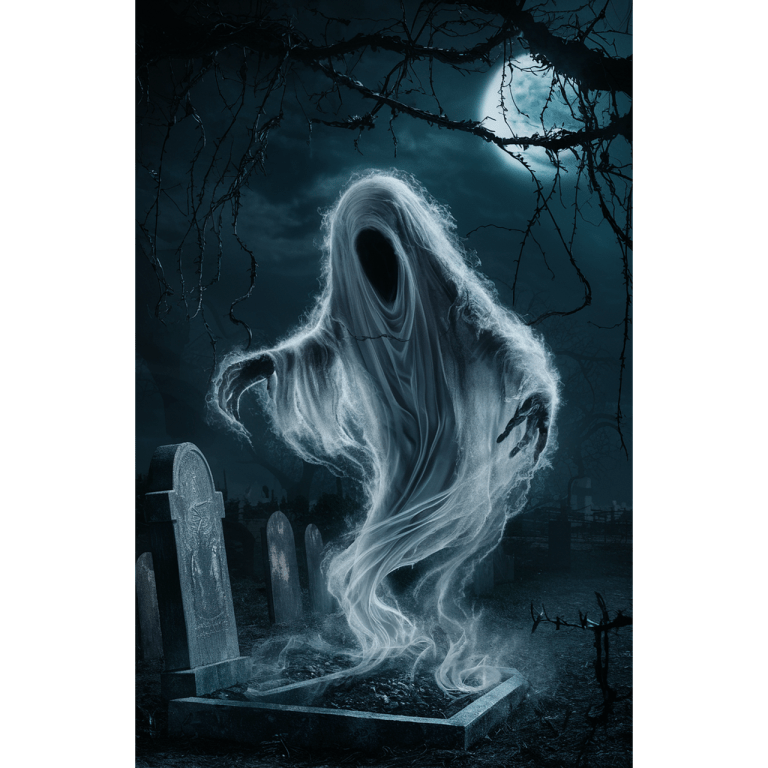
One of the most compelling aspects of supernatural experiences is how deeply they are intertwined with human psychology. According to Psychology Today, belief in the supernatural is often rooted in the cognitive processes that govern our perception of reality. For instance, the tendency to see patterns, even where none exist, known as pareidolia, can lead to sightings of faces in inanimate objects or interpreting random sounds as ghostly whispers.
Moreover, confirmation bias plays a significant role in reinforcing supernatural beliefs. Once individuals accept a particular phenomenon as supernatural, they tend to notice only the evidence that supports this belief while ignoring contradictory information. This selective attention can solidify the perception of supernatural events, making them seem more real.
Neuroscience and the Paranormal

Recent advancements in neuroscience have shed light on the potential biological underpinnings of supernatural experiences. Research has shown that certain brain regions are activated during mystical or otherworldly experiences. For example, the temporal lobe, responsible for processing sensory input, has been linked to phenomena such as out-of-body experiences and a sense of presence, often attributed to spirits or ghosts.
Additionally, Scientific American explains that hallucinations, which can occur due to sleep deprivation, stress, or neurological disorders, may offer a rational explanation for some supernatural encounters. Understanding the brain’s role in these experiences helps demystify them, offering a scientific perspective on what might otherwise be considered paranormal.
Cultural Influences on Supernatural Perceptions
Culture plays a pivotal role in shaping our perceptions of the supernatural. Different societies have varied interpretations of otherworldly phenomena, influenced by historical, religious, and social factors. For instance, in Western cultures, ghost stories often involve haunted houses and spectral apparitions, while in Eastern traditions, spirits may be seen as protective ancestors or malevolent entities.
The cultural context provides a framework through which individuals interpret their experiences. According to Britannica, folk religion and traditional beliefs often incorporate supernatural elements, which are passed down through generations. This cultural heritage shapes the collective understanding of what constitutes a supernatural encounter, influencing both individual experiences and societal norms.
The Role of Technology in Modern Supernatural Experiences
In the digital age, technology has transformed the way we experience and interpret supernatural phenomena. With the advent of smartphones and social media, capturing and sharing potential paranormal events has become more accessible than ever. Platforms like YouTube and TikTok are rife with videos purporting to show ghostly apparitions or unexplained occurrences.
However, the proliferation of digital content raises questions about the authenticity of these experiences. Advances in video editing software and CGI make it increasingly challenging to discern genuine supernatural events from cleverly crafted hoaxes. This skepticism necessitates a critical approach to evaluating such claims, emphasizing the importance of scientific scrutiny and technological literacy.
Scientific Investigations into the Supernatural
Despite the elusive nature of supernatural phenomena, scientific investigations continue to explore these mysteries. Parapsychology, a field dedicated to studying psychic abilities and other paranormal occurrences, strives to apply rigorous scientific methods to phenomena often dismissed by mainstream science.
One notable example is the study of ESP, or extrasensory perception, which includes telepathy, clairvoyance, and precognition. While conclusive evidence remains elusive, some experiments suggest the possibility of unexplained cognitive abilities. Research from the Koestler Parapsychology Unit at the University of Edinburgh continues to investigate these phenomena, seeking to bridge the gap between skepticism and belief.
Conclusion: A Balanced Perspective on the Supernatural
In conclusion, the science behind the supernatural encompasses a complex interplay of psychological, cultural, and neurological factors. While scientific inquiry has yet to provide definitive answers, a rational approach to otherworldly experiences encourages open-mindedness and curiosity. By examining the roots of these phenomena through a scientific lens, we can better understand the allure of the supernatural and its enduring impact on human culture.
Ultimately, embracing a balanced perspective allows us to appreciate the wonder of the unknown while maintaining a critical eye. As we continue to unravel the mysteries of the supernatural, we are reminded of the vastness of human experience and the boundless potential of scientific discovery.
The Intersection of Science and Spirituality
The relationship between science and spirituality is often perceived as antagonistic, yet both disciplines seek to answer profound questions about existence and the universe. While science relies on empirical evidence and testable hypotheses, spirituality delves into the experiential and the transcendental. This intersection is where supernatural experiences often find a home.
Some scientists and spiritual leaders advocate for a more integrative approach, where scientific inquiry and spiritual wisdom complement each other. This perspective does not diminish the importance of empirical validation but acknowledges that human experience encompasses dimensions that may not yet be fully understood by science. For instance, the study of consciousness and its potential to interact with the material world remains a frontier of scientific exploration, inviting collaboration between scientists and spiritual practitioners.
The Influence of Media on Supernatural Beliefs
Media plays a significant role in shaping public perceptions of the supernatural. Television shows, movies, and books often portray paranormal phenomena in sensational ways, capturing the public’s imagination but sometimes skewing perceptions. These portrayals can influence belief systems, either by reinforcing existing beliefs or by encouraging skepticism.
For instance, popular shows like “Stranger Things” and “The X-Files” have sparked renewed interest in supernatural themes, blending fiction with elements of truth to create compelling narratives. While these stories entertain, they also serve as a mirror to our cultural fascination with the unknown, prompting viewers to question their understanding of reality.
Rational Skepticism and the Supernatural
Rational skepticism plays a crucial role in critically evaluating supernatural claims. Skeptics emphasize the importance of evidence and logic, advocating for scientific rigor in the investigation of paranormal phenomena. This approach helps to debunk myths and expose fraudulent claims, protecting individuals from exploitation.
However, it is essential for skeptics to remain open to the possibility that not all phenomena can be easily explained. The history of science is replete with instances where initial skepticism was later overturned by new discoveries. By balancing skepticism with open-mindedness, we encourage a more nuanced exploration of the supernatural that respects both the scientific method and the complexity of human experience.
Future Directions in Supernatural Research
The future of supernatural research holds exciting possibilities. Interdisciplinary collaborations between neuroscientists, psychologists, anthropologists, and spiritual scholars could yield new insights into these enduring mysteries. Advances in technology, such as brain imaging and artificial intelligence, may provide innovative tools to investigate phenomena once deemed beyond the realm of science.

Moreover, the increasing interest in personal and collective wellbeing could drive research into the positive aspects of supernatural beliefs, such as their role in providing comfort, meaning, and community. By exploring these dimensions, scientists and scholars can contribute to a deeper understanding of the human psyche and its capacity for wonder.
Encouraging Dialogue and Exploration
Encouraging dialogue between diverse perspectives is crucial for advancing our understanding of the supernatural. Conferences, symposia, and public discussions that bring together scientists, spiritual leaders, and laypeople can foster a more inclusive conversation about these phenomena. Such engagements offer opportunities to share knowledge, challenge preconceptions, and inspire future research.
The exploration of the supernatural invites us to confront the limits of our knowledge and embrace the mysteries that define human existence. By approaching these experiences with curiosity and a willingness to listen, we open ourselves to new possibilities and a richer appreciation of the world around us.
Final Thoughts on the Science of the Supernatural
The quest to understand the supernatural is as old as humanity itself, reflecting our innate desire to make sense of the unexplained. While science provides powerful tools for unraveling these mysteries, it is the interplay of empirical inquiry, cultural context, and personal experience that ultimately enriches our understanding.
As we continue to explore the boundaries of the known and the unknown, we are reminded of the vastness of the universe and the potential for discovery that lies ahead. The science behind the supernatural encourages us to remain curious, open-minded, and respectful of the diverse ways in which people experience the world. Whether through scientific breakthroughs or personal revelations, the journey to understand the supernatural is an ongoing adventure that promises to illuminate the depths of human imagination and the wonders of the cosmos.